
Have you ever called someone stingy because they never wanted to spend money? Maybe you’ve heard someone say, “Don’t be so cheap!” In English, there is a famous word that describes this kind of person perfectly. It comes from one of the most well-known characters in literature and has become part of everyday language.
Today, this word is used to describe people who dislike spending money, avoid sharing with others, or refuse to be generous even when they can afford to help. It is often used in conversations, books, movies, and social media. However, the story behind this famous nickname teaches a much deeper lesson. It reminds us that kindness, generosity, and compassion are more valuable than wealth.
In this guide, you’ll learn its meaning, history, personality traits, examples, cultural importance, common mistakes, and how to use it correctly in everyday English. Whether you’re an English learner, student, teacher, or writer, this complete guide will help you understand this popular term with ease.
What Does This Famous Nickname Mean?
This expression refers to a person who is:
- Extremely stingy with money
- Unwilling to share possessions
- Ungenerous toward others
- Obsessed with saving every penny
- Often selfish when it comes to spending
Although it originally referred to one fictional person, today it describes anyone who behaves in this way.
Simple Definition
A person who hates spending money and rarely shares with others.
Easy Example
- My uncle never buys gifts for anyone. Everyone jokes that he’s a real miser.
- She had plenty of money but refused to donate even a dollar.
Notice that the expression is usually used humorously, but it can also be insulting depending on the situation.
The Origin of the Word
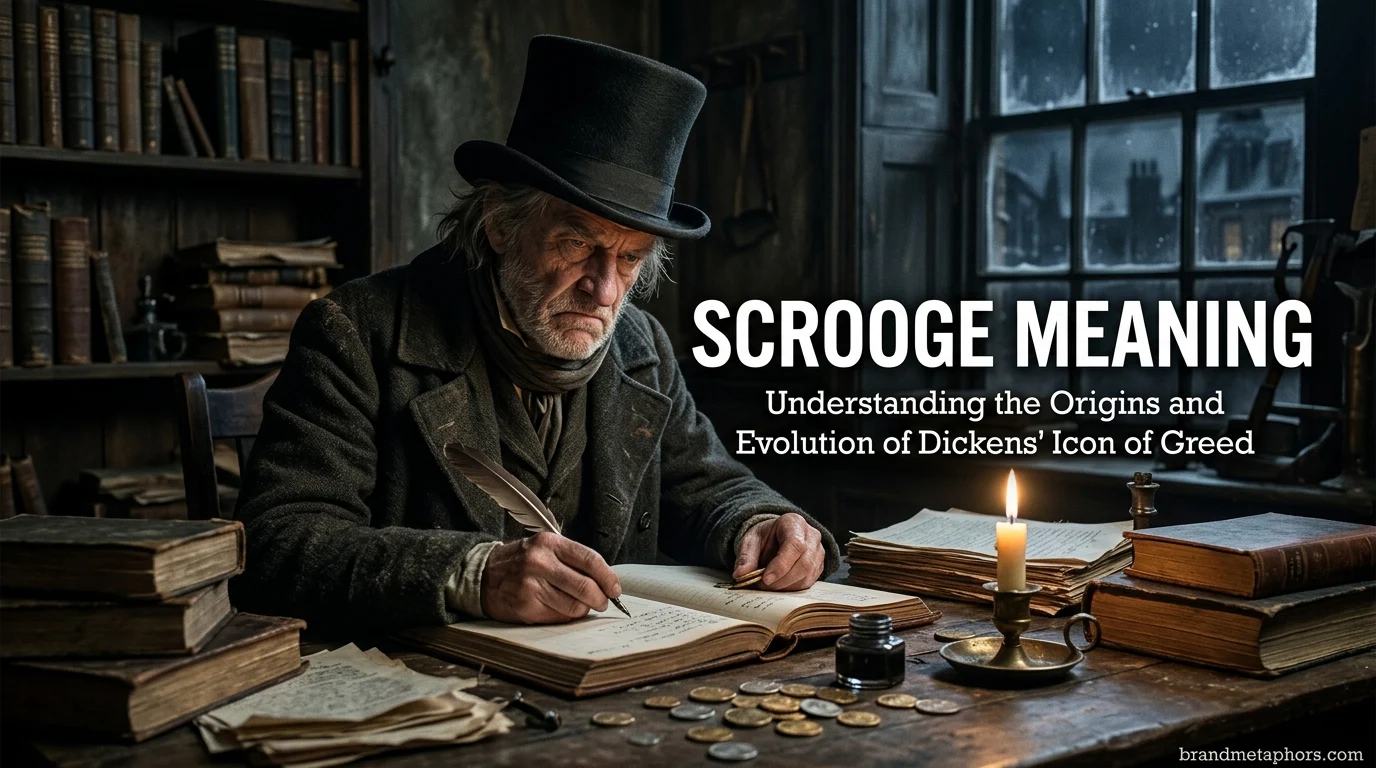
The nickname comes from the main character in the famous novel A Christmas Carol, written by Charles Dickens in 1843.
At the beginning of the story, the old businessman is:
- Rich
- Cold-hearted
- Greedy
- Mean
- Unfriendly
- Unwilling to help anyone
He dislikes Christmas because he believes celebrating costs too much money.
During Christmas Eve, he is visited by several spirits who show him his past, present, and future. These experiences completely change his attitude.
By the end of the story, he becomes:
- Kind
- Caring
- Generous
- Friendly
- Helpful
This dramatic transformation made the character one of literature’s greatest symbols of personal change.
Why This Character Became So Famous
The story became popular all over the world because nearly everyone understands its message.
Its lessons include:
- Money cannot buy happiness.
- Kindness is priceless.
- People can change.
- Generosity improves communities.
- Compassion matters more than wealth.
Over time, the character’s name entered everyday English.
Today, people instantly understand what someone means when they compare a person to this famous miser.
Common Personality Traits
Someone described this way often shows several recognizable behaviors.
Financial Habits
- Never wants to pay.
- Looks for the cheapest option every time.
- Refuses to donate.
- Avoids buying gifts.
- Complains about every expense.
Social Habits
- Rarely shares.
- Doesn’t enjoy giving.
- Thinks helping others wastes money.
- May appear selfish.
Emotional Traits
- Distrustful
- Cold
- Unfriendly
- Focused only on saving
- Fearful of losing money
Not everyone who saves money fits this description. Wise budgeting and being overly stingy are very different.
Different Types of Miserly Behavior
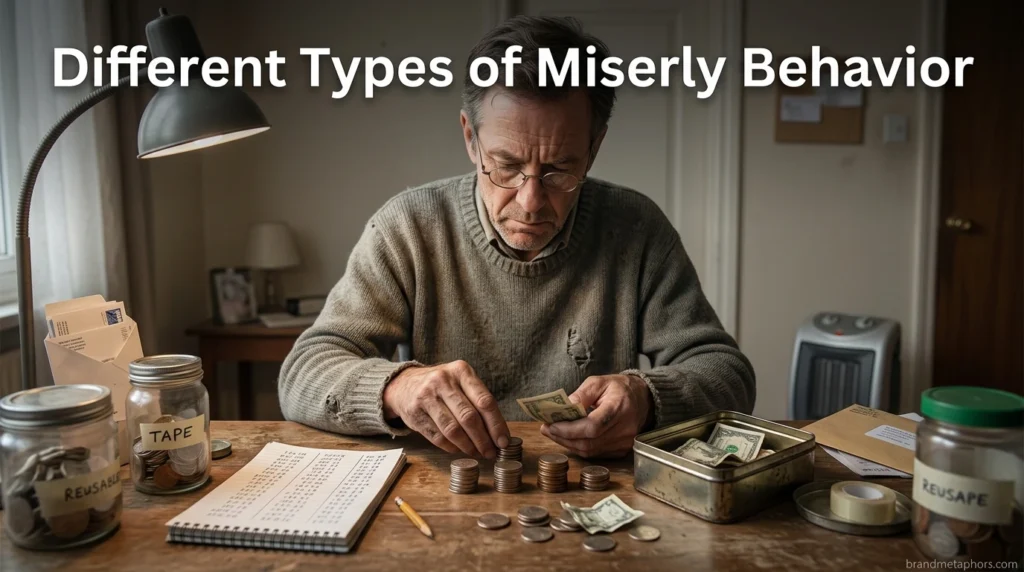
Not every ungenerous person acts the same way.
TypeDescriptionExampleExtreme SaverAvoids spending almost anythingRefuses to replace broken shoesGift AvoiderNever buys presentsSkips birthdays every yearCharity RefuserNever donatesIgnores every fundraiserBill SplitterCounts every pennyArgues over tiny restaurant billsHoliday ComplainerDislikes celebrations because they cost moneyComplains about Christmas expenses
Some people display only one of these behaviors, while others show several.
Everyday Examples
Here are common situations where this expression fits.
At Home
A father has plenty of money but refuses to fix the leaking roof.
At School
A student never shares supplies despite having many extras.
At Work
A manager refuses to buy basic office equipment even though employees need it.
During Holidays
A relative never buys gifts but happily accepts presents from everyone else.
Among Friends
Someone always expects others to pay the restaurant bill.
These situations explain why the word is still popular today.
Positive Lessons We Can Learn
Ironically, the famous character teaches many valuable life lessons.
Kindness Matters
Helping others creates stronger friendships and happier communities.
Money Isn’t Everything
Saving money is wise, but relationships matter more.
People Can Change
Even someone with bad habits can become caring and generous.
Giving Creates Joy
Many studies show that helping others often makes people happier than buying things for themselves.
Balance Is Important
Neither wasteful spending nor extreme stinginess leads to a happy life.
Similar Words and Related Vocabulary
English has several words with similar meanings.
Close Synonyms
- Miser
- Penny-pincher
- Tightfisted person
- Cheapskate
- Skinflint
- Money hoarder
Opposites
- Generous
- Kind
- Charitable
- Giving
- Open-handed
- Compassionate
Each word has a slightly different tone, but they all describe spending habits.
How to Use This Expression Correctly

The word usually describes someone’s personality rather than one single action.
Correct Examples
- Everyone knows he’s a miser because he never tips.
- Don’t be so tightfisted—it’s only a few dollars.
- She finally became more generous after helping at a charity event.
Incorrect Usage
Not everyone who saves money deserves this label.
For example:
Saving for college ✔️
Using coupons ✔️
Following a budget ✔️
Refusing every act of generosity ❌
The difference lies in attitude, not simply saving money.
Common Mistakes People Make
Many English learners misunderstand this expression.
Mistake 1: Confusing Saving With Stinginess
A careful spender is not necessarily ungenerous.
Mistake 2: Using It as a Compliment
The word is usually negative.
Mistake 3: Calling Every Frugal Person One
Frugal people spend wisely.
Ungenerous people refuse to spend even when it’s appropriate.
Mistake 4: Forgetting the Story
Understanding the original novel makes the expression much easier to remember.
Why This Character Still Matters Today
More than 180 years after the novel was published, people still use this nickname because the lesson remains timeless.
Modern society continues to discuss:
- Wealth
- Giving
- Charity
- Compassion
- Family values
- Holiday spirit
Movies, television shows, cartoons, advertisements, and books continue to reference the famous businessman whenever someone acts excessively cheap.
The character also reminds us that personal growth is always possible.
No matter how selfish someone has been in the past, change can happen through kindness, understanding, and empathy.
Practical Tips for Building a Generous Mindset
If you want to avoid becoming known as overly stingy, these habits can help.
- Share when you are able.
- Give sincere gifts instead of expensive ones.
- Donate to causes you believe in.
- Help friends without expecting something in return.
- Practice gratitude every day.
- Focus on experiences instead of possessions.
- Remember that generosity is about attitude, not wealth.
Even small acts of kindness can make a big difference.
Frequently Asked Questions
1. What does this word mean?
It describes someone who is extremely stingy, ungenerous, or unwilling to spend money.
2. Where did the term come from?
It comes from the main character in A Christmas Carol, written by Charles Dickens.
3. Is it an insult?
Usually, yes. It can sound humorous among friends but may offend someone if used seriously.
4. Is being frugal the same thing?
No. Frugal people spend wisely, while stingy people avoid spending even when necessary.
5. Why is the character famous?
Because he changes from a selfish businessman into a generous and caring person.
6. Can the word be used in everyday conversation?
Yes. Native English speakers still use it when describing someone who is very unwilling to spend money.
7. What are some similar words?
Common alternatives include miser, cheapskate, penny-pincher, skinflint, and tightfisted person.
8. What lesson does the story teach?
It teaches that kindness, generosity, and compassion are more valuable than money alone.
Conclusion
The famous character from A Christmas Carol has become much more than a literary figure. Today, the name is widely used to describe someone who is overly stingy, unwilling to share, or reluctant to spend money. While the term often points to negative behavior, the original story offers a hopeful message: people can change.
The journey from greed to generosity reminds us that true happiness comes from caring for others, sharing what we have, and building meaningful relationships. Whether you encounter this expression in books, conversations, or movies, understanding its history and meaning will strengthen your English vocabulary and deepen your appreciation of one of literature’s most enduring symbols.