

Every year, millions of people send greetings through cards, emails, social media posts, and text messages. One small grammar question often causes confusion: should the words in this famous holiday greeting begin with capital letters, or should they stay lowercase?
The answer depends on how the phrase is used in a sentence. English capitalization follows specific rules, and holiday greetings are no exception. Understanding these rules helps you write professionally, avoid common mistakes, and make your writing look polished.
This guide explains when to capitalize holiday greetings, when to use lowercase letters, and why context matters. You’ll also find examples, grammar tips, a comparison table, common mistakes, and answers to frequently asked questions.
Understanding Capitalization in English
Capitalization is one of the basic rules of English writing. It tells readers which words are important or are functioning as proper nouns.
Words are usually capitalized when they are:
- Proper nouns
- People’s names
- Countries and cities
- Days of the week
- Months
- Holidays
- Titles before names
- The first word in a sentence
Holiday names are considered proper nouns because they refer to specific celebrations.
Examples:
- Christmas
- Thanksgiving
- Easter
- Halloween
- New Year’s Day
- Independence Day
Because holidays are proper nouns, they receive capital letters.
Why This Greeting Causes Confusion
Many writers aren’t sure whether they are referring to:
- the holiday itself,
- a general wish,
- or an ordinary sentence.
For example:
Correct
- Happy New Year!
- Wishing you a Happy New Year.
- We celebrated New Year’s Day together.
Also Correct
- I hope you have a happy new year.
The difference depends on whether the phrase is being used as a greeting or simply as descriptive words inside a sentence.
This subtle grammar rule often surprises English learners.
The Basic Grammar Rule
The easiest rule to remember is this:
SituationCapitalizationGreeting on a cardCapitalize each main wordHoliday nameCapitalizeFormal wishesCapitalizeGeneral descriptive sentenceLowercase may be acceptableEmail subject lineUsually capitalize important words
Examples:
Correct
- Happy New Year!
- Wishing you a Happy New Year!
- Have a Happy New Year!
Correct in descriptive writing
- I hope you have a happy new year filled with peace.
Both forms are accepted depending on the purpose.
When Every Word Should Be Capitalized

Most greeting cards, advertisements, business emails, and social media posts capitalize every important word.
Examples:
- Happy New Year!
- Happy New Year to You!
- We Wish You a Happy New Year!
- Sending You a Happy New Year Greeting
This style follows title capitalization, making the greeting look more formal and festive.
You’ll commonly see it in:
- Greeting cards
- Invitations
- Business newsletters
- Holiday posters
- Website banners
- Email headlines
Businesses especially prefer this style because it looks professional.
When Lowercase Is Acceptable
Sometimes the words become part of a normal sentence rather than standing alone as a greeting.
Examples:
- We hope everyone has a happy new year.
- She wished us a happy new year before leaving.
- They wanted everyone to enjoy a happy new year.
Notice that the sentence isn’t displaying a greeting. Instead, it’s describing someone’s wish.
This is why lowercase can be grammatically correct.
Greeting vs. Description
Understanding the difference makes capitalization much easier.
Greeting
A greeting stands alone.
Examples
- Happy New Year!
- Happy Holidays!
- Merry Christmas!
- Happy Easter!
Greetings usually capitalize every major word.
Description
A description simply talks about the holiday or someone’s wish.
Examples
- They wished everyone a happy new year.
- She wanted a happy holiday.
- We enjoyed a peaceful new year celebration.
In these cases, lowercase often works naturally.
Common Examples in Everyday Writing
Here are situations where people commonly use holiday greetings.
Greeting Card
Correct
Happy New Year!
May your year be filled with happiness.
Business Email
Subject:
Happy New Year from Our Team
Body:
We appreciate your support and wish you continued success.
Social Media
Happy New Year, everyone!
May this year bring joy and good health.
Text Message
Happy New Year!
Hope you have an amazing year ahead.
Letter
Dear Sarah,
Happy New Year!
Thank you for always being there.
Common Mistakes Writers Make
Many mistakes happen because people mix greeting style with sentence style.
Mistake 1
happy New Year
Incorrect because only one word is capitalized.
Correct:
Happy New Year
Mistake 2
Happy new year
If it’s a greeting, both important words should usually be capitalized.
Correct:
Happy New Year
Mistake 3
HAPPY NEW YEAR
This isn’t wrong, but using ALL CAPS may seem like shouting online.
Mistake 4
happy new year!
Beginning a greeting with lowercase looks unprofessional unless it’s an intentional design choice.
Mistake 5
Happy New year’s
The apostrophe is incorrect.
Correct:
Happy New Year
or
New Year’s Day
Comparison with Other Holiday Greetings
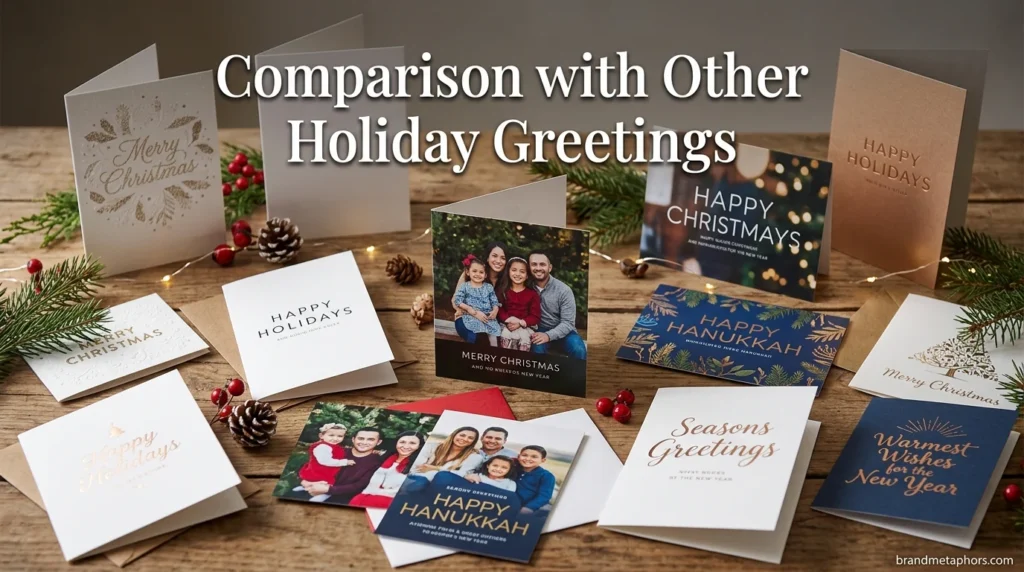
Many English holiday greetings follow the same capitalization rules.
GreetingCorrect FormMerry ChristmasCapitalizedHappy EasterCapitalizedHappy ThanksgivingCapitalizedHappy HanukkahCapitalizedHappy DiwaliCapitalizedHappy RamadanCapitalized when referring to the holy monthHappy HolidaysCapitalized in greetings
Notice that holiday names remain proper nouns.
Why Correct Capitalization Matters
Using proper capitalization improves your writing in several ways.
Makes Writing Professional
Correct grammar creates a positive impression.
Improves Readability
Readers quickly recognize greetings.
Builds Trust
Professional communication reflects attention to detail.
Helps Students Learn
Understanding capitalization strengthens overall grammar skills.
Useful in Business
Companies use proper formatting in:
- Marketing campaigns
- Email newsletters
- Advertisements
- Customer support messages
- Holiday promotions
Practical Tips to Remember the Rule
You don’t need to memorize complicated grammar.
Instead, remember these simple tips.
Think About Purpose
Ask yourself:
“Is this a greeting?”
If yes, capitalize it.
Look at the Sentence
If it’s simply describing someone’s wish, lowercase can be acceptable.
Follow Style Guides
Many editors follow consistent capitalization for greetings because it improves appearance.
Stay Consistent
If you’re writing:
- blog articles
- newsletters
- greeting cards
- invitations
choose one style and use it consistently.
Read It Aloud
If it sounds like you’re directly greeting someone, use capitalization.
Examples for Students
Correct
Happy New Year!
Correct
We wish everyone a Happy New Year.
Correct
I hope you have a happy new year.
Correct
Happy New Year from our family.
Correct
The New Year’s parade begins tomorrow.
Incorrect
Happy new Year
Incorrect
happy New Year
Incorrect
happy new year!
Benefits of Learning These Grammar Rules
Learning proper capitalization offers many advantages.
- Improves school assignments
- Makes emails look professional
- Helps in business communication
- Creates better blog posts
- Improves social media writing
- Strengthens English grammar
- Builds writing confidence
- Makes holiday greetings look polished
Small grammar improvements often make a big difference.
Frequently Asked Questions
1. Should every word be capitalized in a holiday greeting?
Yes. When it is used as a greeting, the important words are normally capitalized.
2. Is lowercase ever correct?
Yes. When the phrase appears as part of a normal descriptive sentence rather than a greeting, lowercase may be acceptable.
3. Why is “New Year” capitalized?
It refers to a specific holiday and functions as a proper noun in many contexts.
4. What about “New Year’s Day”?
The official holiday name is always capitalized because it is a proper noun.
5. Should I capitalize it in an email subject line?
Yes. Most email subject lines use title capitalization.
Example:
Happy New Year from Our Team
6. Is all caps grammatically wrong?
No. However, writing HAPPY NEW YEAR may appear overly loud or promotional in digital communication.
7. Do style guides agree on this rule?
Yes. Most grammar and editorial style guides recommend capitalization when the phrase functions as a greeting, while allowing lowercase in descriptive contexts.
8. Does this rule apply to other holidays?
Yes. Greetings like Merry Christmas, Happy Easter, and Happy Thanksgiving also capitalize the holiday name and greeting in standard usage.
Conclusion
Capitalization depends on how the phrase functions in your sentence. When you’re directly greeting someone—whether in a card, email, social media post, or conversation—the standard form is Happy New Year! with each main word capitalized. This follows the convention for holiday greetings and creates a polished, professional appearance.
When the words are simply part of a descriptive sentence, lowercase can also be grammatically correct, such as I hope you have a happy new year. The key is recognizing the difference between a greeting and a description.
By understanding this simple rule, you’ll write with greater confidence, avoid common mistakes, and communicate more clearly in both personal and professional settings. Whether you’re sending holiday wishes, writing an article, or composing an email, using the appropriate capitalization shows attention to detail and strong English writing skills.