

Have you ever heard someone call another person a city slicker and wondered what it really means? At first, it might sound like a compliment, but depending on the situation, it can be playful, humorous, or even slightly critical.
This expression has been part of the English language for many years. It often describes someone who grew up in a city and lacks experience with country life. Today, the phrase appears in conversations, movies, books, and even travel stories. While it originally referred to urban people visiting rural areas, its meaning has grown over time.
In this guide, you’ll learn the full meaning of the expression, where it came from, how to use it correctly, common examples, mistakes to avoid, and why people still use it today. Whether you’re an English learner, student, writer, or simply curious about everyday expressions, this article will help you understand everything in simple and easy-to-read language.
Meaning of the Expression
A city slicker is a person who comes from a city and is unfamiliar with life in the countryside. The phrase often suggests that the person is stylish, confident, or sophisticated but lacks practical knowledge about farming, animals, or rural living.
The expression is usually lighthearted rather than insulting.
Simple Definition
A person from an urban area who has little experience with country life.
Easy Example
- Sarah had never ridden a horse before, so everyone called her a city slicker.
- The visitors looked nervous around the cows because they weren’t used to farm life.
In many situations, the phrase is meant as a friendly joke rather than a serious criticism.
Origin and History
The expression first became popular in the United States during the late 1800s.
The word slick originally described someone who looked polished, fashionable, or clever. When combined with city, it referred to people who dressed well and behaved confidently because they lived in large towns.
Country residents often used the phrase when city visitors arrived wearing expensive clothes but struggled with simple outdoor tasks.
Over time, the expression spread through:
- Western movies
- Newspapers
- Books
- Television shows
- Everyday conversations
Today, it is recognized in many English-speaking countries.
Characteristics Often Associated with Urban Visitors
People described this way are often believed to have certain qualities. These are stereotypes, not facts.
Common characteristics include:
- Fashionable clothing
- Modern lifestyle
- Knowledge of technology
- Fast-paced habits
- Limited farming experience
- Curiosity about nature
- Preference for convenience
- Limited outdoor survival skills
Remember, these are general ideas and do not describe everyone from cities.
Comparison Between Urban and Rural Lifestyles
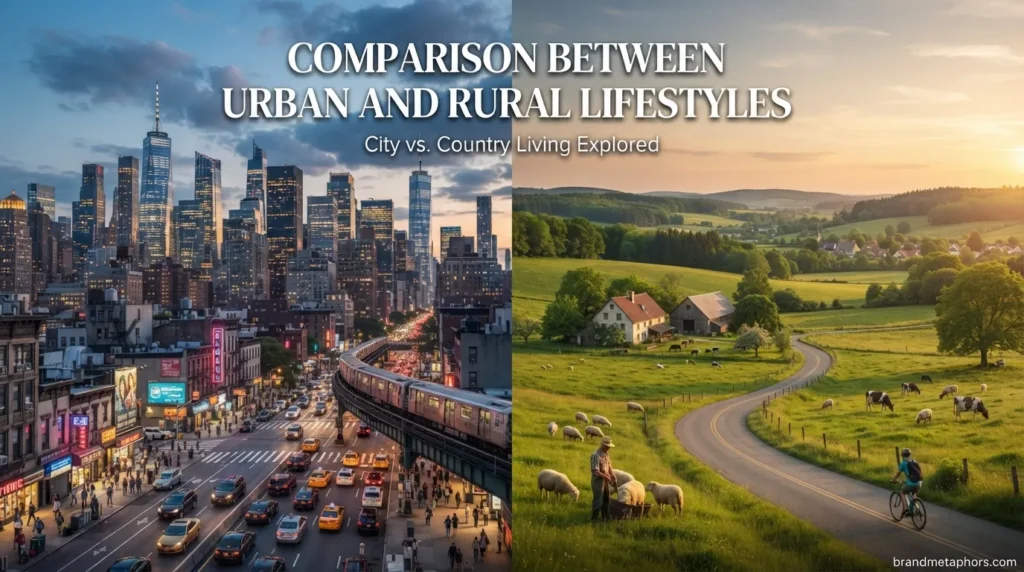
The table below highlights some common differences.
Urban LifestyleRural LifestyleBusy streetsQuiet surroundingsTall buildingsOpen fieldsPublic transportationPersonal vehicles or tractorsMany restaurantsHome-cooked mealsOffice jobsFarming and agricultureShopping mallsLocal marketsLess contact with farm animalsDaily interaction with livestockSmaller living spacesLarger outdoor areas
These differences explain why someone from a city may seem unfamiliar with country traditions.
When People Use This Expression
This phrase appears in many everyday situations.
During Travel
Someone visiting a farm for the first time might receive this nickname.
Example:
“My cousin from New York acted like a real city slicker when he saw chickens.”
Family Gatherings
Relatives sometimes joke with family members who rarely visit rural areas.
Movies
Many comedy films feature an urban character learning country life.
Storytelling
Writers use the expression to create funny situations where a modern character faces unfamiliar challenges.
Examples in Everyday Conversations
Here are several examples.
Example 1
Tom wore shiny shoes to the muddy farm.
His uncle laughed.
“You’ll need boots, city slicker!”
Example 2
Emily was afraid to milk a cow because she had never been near one before.
Example 3
Jake couldn’t start the tractor.
Everyone realized he had grown up in a large city.
Example 4
The campers teased their friend because he didn’t know how to build a fire.
Example 5
The children from downtown were amazed when they collected fresh eggs from chickens.
These examples show that the phrase usually describes inexperience rather than intelligence.
Common Situations Where It Fits Best
The expression works well in informal conversations.
Use it when talking about:
- Farm visits
- Ranch vacations
- Outdoor adventures
- Camping trips
- Fishing experiences
- Country festivals
- Horse riding
- Rural communities
It is less common in formal writing or professional communication.
Similar Words and Related Expressions
English has several expressions with similar meanings.
Country Mouse and City Mouse
A famous story comparing rural and urban lifestyles.
Urban Dweller
A neutral way to describe someone living in a city.
Townie
Someone who lives in a town rather than the countryside.
Rural Newcomer
A person adjusting to country life.
Outsider
Someone unfamiliar with local customs.
Each phrase has a slightly different meaning, but all relate to differences in lifestyle.
Why This Expression Still Matters Today
Although cities and rural areas are more connected than ever, lifestyle differences still exist.
People continue using this expression because it:
- Adds humor to conversations
- Highlights cultural differences
- Describes unfamiliar experiences
- Makes storytelling more interesting
- Helps readers picture characters quickly
Modern technology has reduced many differences, but unique traditions remain in both places.
Common Mistakes to Avoid
Many English learners misunderstand this expression.
Mistake 1: Thinking It Is Always an Insult
Not true.
It is often playful and friendly.
Mistake 2: Using It in Formal Business Writing
Avoid using informal expressions in professional documents.
Mistake 3: Assuming Every Urban Person Fits the Description
Many people from cities enjoy farming, camping, and outdoor activities.
Mistake 4: Using It for Intelligence
The phrase does not mean someone is unintelligent.
It only suggests limited experience with rural life.
Tips for Using the Expression Naturally

If you want to sound like a native English speaker, remember these tips.
Use It Casually
Best for conversations with friends or family.
Consider the Tone
Make sure the other person understands it as a joke.
Know Your Audience
Some people may not appreciate labels.
Pair It With Context
Instead of saying:
“He’s a city slicker.”
Say:
“He’s a city slicker because he’s never been fishing before.”
Providing context makes your meaning much clearer.
Fun Facts About the Expression
Here are a few interesting facts.
- It became popular in American English during the nineteenth century.
- Western movies helped spread the phrase around the world.
- It often appears in travel stories.
- Many comedy shows use it to create funny misunderstandings.
- The expression is still widely recognized today.
Benefits of Understanding Everyday Expressions
Learning idioms and informal expressions helps you:
- Speak more naturally
- Understand movies better
- Enjoy books more
- Improve conversation skills
- Build vocabulary
- Recognize cultural references
- Communicate confidently
- Sound more fluent
Understanding expressions like this also makes learning English more enjoyable.
Real-Life Example
Imagine a family from a busy city visiting their grandparents’ farm for the weekend.
The children have never:
- Fed chickens
- Collected eggs
- Driven a tractor
- Milked cows
- Walked through muddy fields
They ask many questions because everything feels new.
The grandparents smile and jokingly call them city slickers.
By the end of the trip, the children have learned many outdoor skills and feel much more comfortable with country life.
This example shows how the expression is often used with affection rather than criticism.
Frequently Asked Questions
1. Is the expression rude?
Usually no. It is generally playful and humorous, though tone and context matter.
2. Can someone call themselves this?
Yes. People often jokingly describe themselves this way when trying something new in the countryside.
3. Does it only refer to Americans?
No. Although it began in the United States, English speakers in many countries understand it.
4. Is it an idiom?
It is considered an informal expression or nickname rather than a traditional idiom because its meaning is fairly direct.
5. Can women be described this way?
Yes. The expression can refer to anyone regardless of gender.
6. Is it suitable for formal writing?
No. It is better suited to casual conversations, stories, blogs, and creative writing.
7. What is the opposite of this expression?
Someone who is comfortable with country life might be described as a country person, farmer, rancher, or rural resident.
8. Why is it still popular?
It remains popular because it humorously highlights the contrast between urban and rural lifestyles, making stories and conversations more entertaining.
Conclusion
The expression what is a city slicker refers to someone who comes from an urban environment and has little experience with country life. While it may gently point out a lack of rural knowledge, it is usually used in a friendly and humorous way rather than as an insult.
Understanding expressions like this helps you improve your English vocabulary, recognize cultural differences, and communicate more naturally. Whether you encounter it in a movie, a novel, or a conversation, you’ll now know exactly what it means and how to use it correctly. By learning the history, examples, related expressions, and practical usage, you can confidently recognize this classic phrase whenever you hear it.