
Introduction
The internet creates new words every year. Some become popular for a short time, while others become part of everyday online conversations. One slang term that has gained attention across social media, gaming communities, memes, and online forums is gooned.
If you have seen this word on TikTok, Reddit, Discord, X, or YouTube comments, you may have wondered what it means. Like many internet expressions, its meaning depends on the situation. In some conversations, it simply describes someone acting silly or foolish. In others, it has a more specific adult meaning that developed in certain online communities.
Learning the different meanings helps you understand internet culture, communicate more clearly, and avoid using slang in the wrong context. This guide explains everything in simple language with examples, comparisons, and practical tips.
What Does the Term Mean?
The expression is an internet slang word with more than one meaning.
The most common interpretations include:
- Someone acting goofy, absent-minded, or silly.
- A person who appears completely focused on one activity.
- A meme expression used humorously online.
- In some adult internet communities, it has a specific sexual meaning.
Because the word has multiple meanings, readers should always look at the surrounding conversation before deciding what someone means.
Simple definition
A slang expression describing someone who is acting foolish, obsessed, distracted, or completely absorbed in something, depending on the context.
The History and Origin
Like many internet slang words, this expression changed over time.
Originally, the word “goon” referred to:
- A foolish person
- A clumsy individual
- A comic or silly character
- A hired bodyguard or thug in movies
As internet culture evolved, online communities created new meanings. Meme pages, gaming groups, and social media users began using it humorously to describe someone behaving strangely or becoming overly obsessed with something.
Later, certain adult communities adopted the word with a different meaning, making context very important.
Different Meanings in Different Contexts
ContextMeaningExampleSocial mediaActing goofy or funny”He stayed up all night and looks completely out of it.”GamingPlaying carelessly or making silly mistakes”Our teammate kept running into danger.”Meme cultureBeing obsessed with something”She’s completely addicted to collecting plush toys.”Adult communitiesA specialized adult slang meaningContext determines interpretation.
Always consider where the conversation is happening before assuming the meaning.
Common Ways People Use It
Today, internet users often use similar slang in several situations.
1. Describing silly behavior
Friends sometimes joke about someone making strange decisions.
Example:
- “You forgot your backpack again? You’re really acting goofy today.”
2. Talking about obsession
Someone may spend hours doing one hobby.
Examples include:
- Video games
- Sports
- Anime
- Music
- Collecting cards
Friends might jokingly describe that intense focus using internet slang.
3. Memes
Meme creators love exaggeration.
Someone spending ten hours watching cat videos may become the subject of a humorous meme using internet slang.
4. Gaming
Players sometimes joke that teammates are:
- Distracted
- Confused
- Making poor decisions
- Not paying attention
Gaming communities often invent playful expressions like this.
Why Context Matters
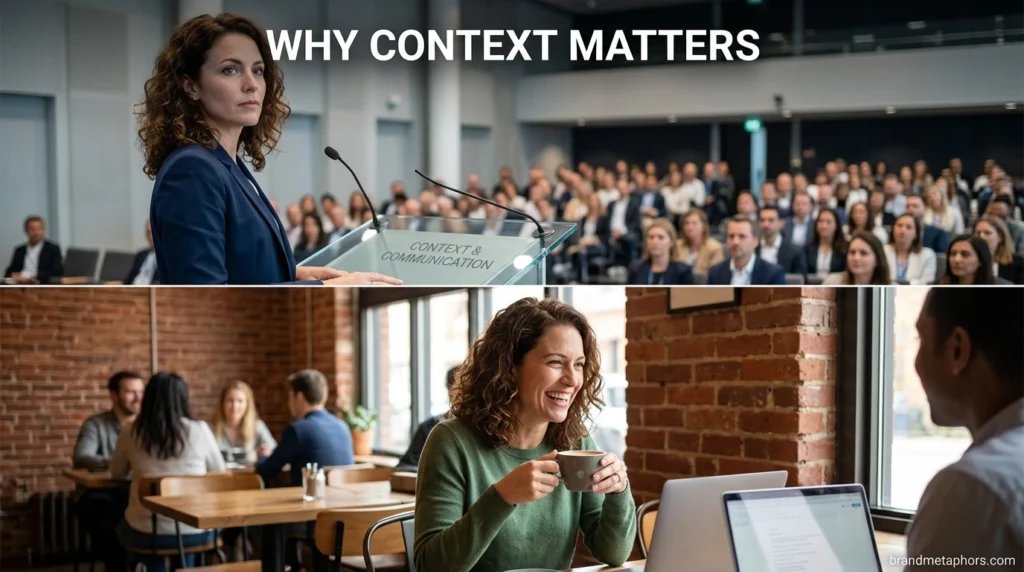
One reason internet slang can be confusing is that the same word can mean different things.
Think about these examples.
Example 1
“I’ve been studying for twelve hours.”
Friends might joke that someone has become completely absorbed in studying.
Example 2
“The whole chat was posting memes.”
Here, the expression simply means everyone was acting goofy.
Example 3
A discussion inside an adult forum.
Here the meaning changes completely because the community uses different slang.
This is why understanding the platform and audience is important.
Related Internet Slang Words
Many internet expressions have similar meanings.
Some popular examples include:
- Brain rot
- NPC
- Delulu
- Cooked
- Cringe
- Mid
- Goofy
- Clowning
- Chronically online
- Meme lord
Although these words are related, each has its own unique meaning.
Benefits of Understanding Internet Slang
Learning modern online vocabulary offers several advantages.
Better communication
You can understand social media conversations more easily.
Avoid misunderstandings
Knowing multiple meanings helps prevent accidental misuse.
Safer internet use
Recognizing adult slang helps younger users avoid confusing situations.
Stronger digital literacy
Understanding online language makes navigating internet communities easier.
Better content creation
Bloggers, YouTubers, and social media creators can communicate with younger audiences more naturally.
Real-Life Examples
Here are some everyday situations.
Example 1: Gaming
Alex keeps charging into every fight without thinking.
His teammates joke that he is playing like someone who isn’t paying attention.
Example 2: School
Emma spends every free minute reading fantasy books.
Her friends tease her about being completely obsessed with novels.
Example 3: Sports
Jake watches football highlights every evening.
His brother jokes that he has become totally consumed by the sport.
Example 4: Social Media
Someone watches hundreds of cooking videos every weekend.
Friends laugh and say the algorithm has completely taken over their free time.
Should You Use This Word?
Before using any internet slang, think about your audience.
It is usually appropriate among:
- Close friends
- Meme communities
- Gaming groups
- Casual online chats
It may not be appropriate for:
- School assignments
- Business emails
- Job interviews
- Professional meetings
- Formal writing
Using clear language is always the safest choice in formal situations.
Tips for Understanding Online Slang
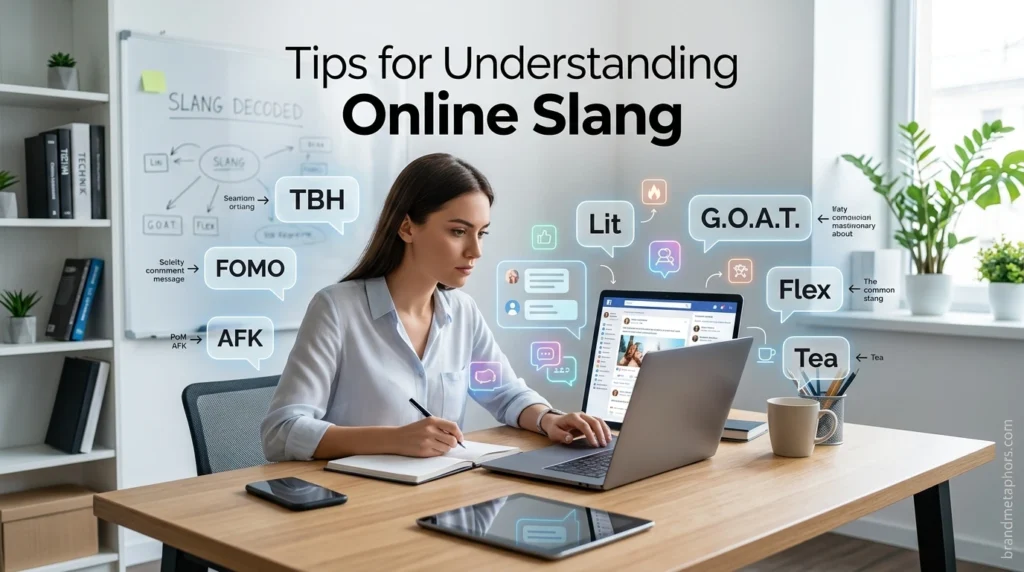
If you often see unfamiliar internet words, these habits can help.
- Read the entire conversation.
- Notice which platform you’re using.
- Look for multiple meanings.
- Avoid copying words without understanding them.
- Remember that slang changes quickly.
- Ask trusted friends if you’re unsure.
- Check reliable dictionaries that include internet language.
These habits improve digital communication and prevent confusion.
Common Mistakes People Make
Many beginners misunderstand internet slang.
Avoid these mistakes.
Assuming every use means the same thing
Context changes meaning.
Using slang in professional writing
Business communication should remain clear.
Believing every meme definition
Memes often exaggerate meanings for humor.
Ignoring platform culture
Different communities use the same word differently.
Internet Slang Keeps Changing
Language on the internet evolves rapidly.
A word that means one thing today may gain new meanings next year.
Popular platforms influencing online vocabulary include:
- TikTok
- Discord
- Twitch
- YouTube
- X
Young users, gamers, streamers, and content creators often introduce expressions that later spread across the internet.
Keeping an open mind helps you understand these changes without becoming confused.
Frequently Asked Questions
1. What does this internet slang usually mean?
It generally refers to someone acting goofy, distracted, or completely absorbed in something, depending on the conversation.
2. Is it always inappropriate?
No. Many people use it jokingly in harmless meme or gaming contexts. However, it also has an adult meaning in some online communities.
3. Where is it most commonly used?
You can often find it on TikTok, Reddit, Discord, Twitch, gaming forums, and meme pages.
4. Can children safely use this slang?
Because the term has multiple meanings, younger users should be careful and understand the context before using it.
5. Is it formal English?
No. It is informal internet slang and should not be used in professional or academic writing.
6. Why does it have different meanings?
Internet communities often create new definitions over time, so one word can develop several uses.
7. How can I know which meaning is intended?
Look at the platform, surrounding conversation, and the people using the word.
8. Will this slang stay popular?
Some internet slang disappears quickly, while other expressions become part of everyday online language. Its popularity may change as online trends evolve.
Conclusion
Internet slang changes faster than almost any other part of language. This expression is a good example because it carries several meanings depending on where and how it is used. In casual conversations, memes, and gaming communities, it often describes someone acting goofy, distracted, or completely absorbed in an activity. In certain adult online spaces, however, it has a different specialized meaning, making context especially important.
Understanding modern internet vocabulary improves digital literacy, helps prevent misunderstandings, and makes online conversations easier to follow. Whenever you encounter unfamiliar slang, pay attention to the platform, the audience, and the surrounding discussion before deciding what it means. By doing so, you can enjoy internet culture while communicating clearly and confidently.