
Introduction: Why Figurative Language and Word Choice Matter
Good writing is more than putting words together. It involves choosing the right vocabulary, using descriptive language, and understanding how words work in different contexts. Whether you are a student, writer, or English learner, knowing the differences between similar words improves communication and writing skills.
Language becomes more engaging when combined with literary devices such as metaphors, similes, imagery, and poetic expression. Even simple words can become powerful tools for storytelling and creative writing. Understanding spelling variations is also important because different English-speaking regions often use different forms of the same word.
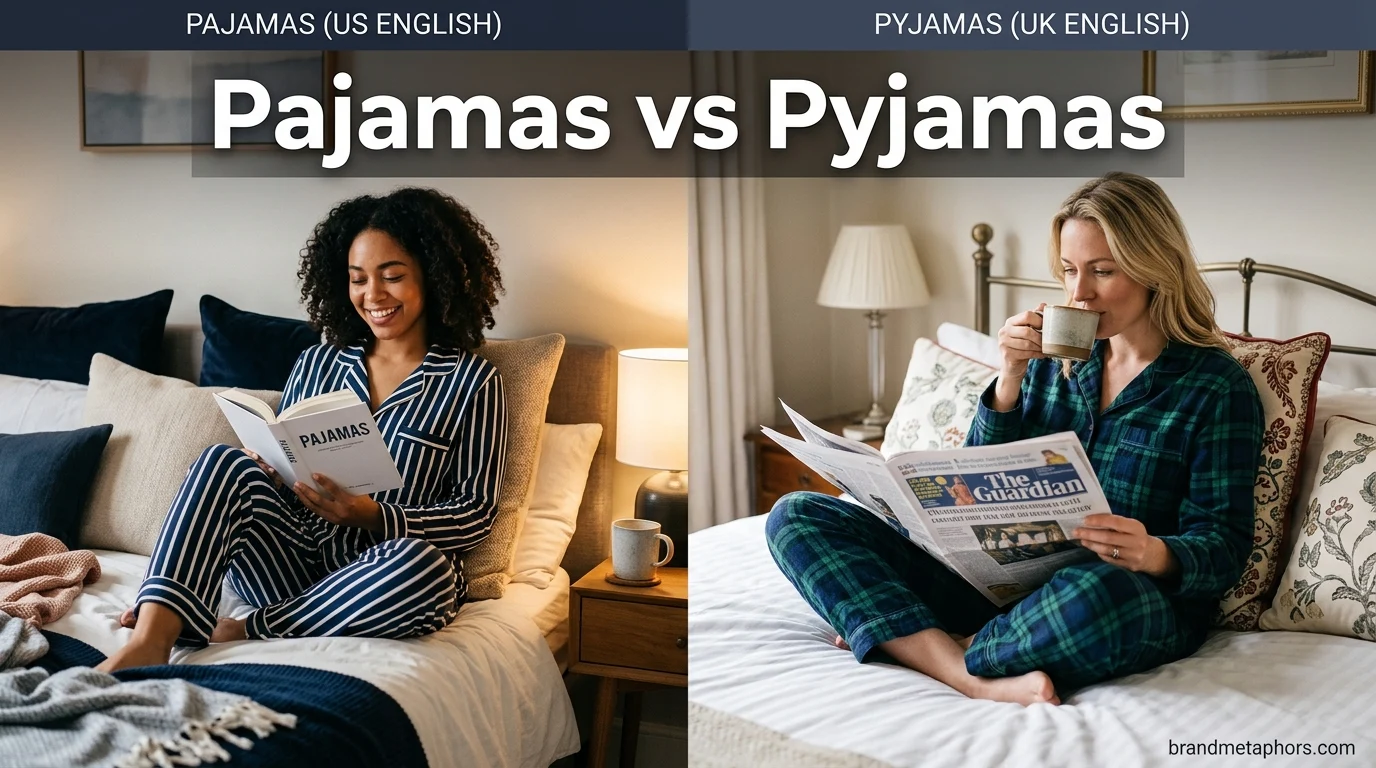
One common example is the difference between “pajamas” and “pyjamas.” Although they refer to the same clothing, their spelling varies depending on the type of English being used. Learning this distinction can help improve vocabulary enhancement, writing accuracy, and overall language proficiency.
What Are Pajamas and Pyjamas?
Both words refer to loose, comfortable clothing worn for sleeping or relaxing at home. They usually include:
- A matching top and bottom
- Comfortable fabric such as cotton or silk
- Sleepwear designed for comfort
The meaning remains exactly the same regardless of spelling.
Definition
Pajamas/Pyjamas: Clothes worn in bed or while relaxing, especially during the night.
Example Sentences
- I changed into my pajamas before going to sleep.
- She bought new pyjamas for the winter season.
- Children often wear colorful pajamas with cartoon designs.
- His pyjamas were made of soft cotton.
The Main Difference Between the Two Spellings
The distinction is primarily regional.
SpellingCommon RegionPajamasAmerican EnglishPyjamasBritish EnglishPajamasCanada (often preferred)PyjamasUnited KingdomBoth FormsAustralia and New Zealand
Quick Rule
If writing for an American audience, use pajamas.
If writing for a British audience, use pyjamas.
The pronunciation remains almost identical.
History and Origin of the Word
The word comes from the Persian word “payjama”, meaning leg garment or leg clothing.
It later entered:
- Persian language
- Hindi and Urdu
- British English during colonial times
- American English
Over time, spelling variations developed based on regional language preferences.
Historical Example
During British rule in South Asia, British travelers adopted the term and introduced it into English vocabulary. The British spelling became “pyjamas,” while Americans gradually preferred “pajamas.”
Pronunciation Guide
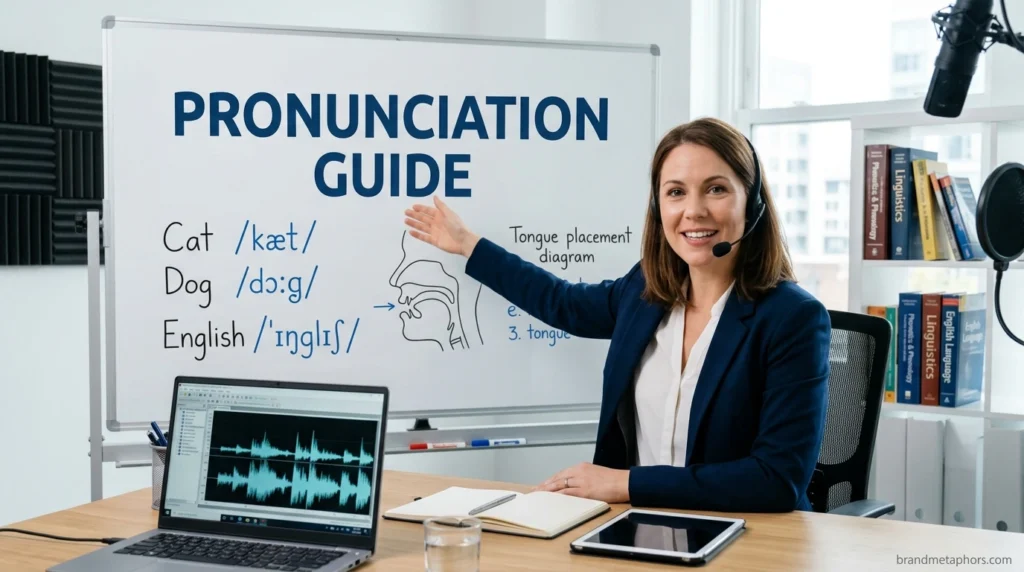
Although the spelling differs, pronunciation is very similar.
Standard Pronunciation
Pajamas: puh-JAH-muhz
Pyjamas: puh-JAH-muhz
Sentence Examples
- My pajamas are in the closet.
- Their pyjamas are drying outside.
English learners often worry about pronunciation, but both forms sound nearly identical.
Using the Word in Everyday Communication
These words frequently appear in conversations about:
- Sleep
- Home life
- Relaxation
- Fashion
- Children’s clothing
Everyday Examples
- I wear pajamas every night.
- The hotel provided clean pyjamas.
- She spent the weekend in comfortable pajamas.
- The children wore matching pyjamas.
Formal Context
- The company launched a luxury pajama collection.
- The store specializes in premium pyjamas.
Pajamas and Pyjamas in Creative Writing
Creative writing often uses ordinary objects to create vivid imagery and emotional connections.
Sleepwear can symbolize:
- Comfort
- Safety
- Childhood memories
- Relaxation
- Vulnerability
Descriptive Language Examples
- His striped pajamas rustled softly as he walked through the hallway.
- Her silk pyjamas shimmered under the moonlight.
These descriptions help readers visualize scenes more clearly.
Writing Tip
Instead of writing:
She wore pajamas.
Write:
She wore soft cotton pajamas that felt like a warm hug on a cold winter night.
The second sentence creates stronger imagery.
Figurative Language Examples Using Pajamas
Figurative language makes writing more expressive and memorable.
Simile Examples
A simile compares two things using “like” or “as.”
Examples:
- His pajamas were as soft as a cloud.
- The flannel pyjamas felt like a warm blanket.
- She slipped into her pajamas like a bird returning to its nest.
Metaphor Examples
A metaphor directly compares two things.
Examples:
- Her pajamas were a shield against the winter cold.
- Those pyjamas were a cocoon of comfort.
- His pajamas became a symbol of peace after a stressful day.
Personification Examples
Personification gives human qualities to objects.
Examples:
- The pajamas welcomed him after a long day.
- Her pyjamas hugged her gently.
Literary Devices and Poetic Expression

Writers often use literary devices to make descriptions more engaging.
Imagery
Imagery appeals to the senses.
Example:
The blue cotton pajamas felt cool against his skin while the scent of lavender filled the room.
Symbolism
Pajamas may symbolize:
- Rest
- Home
- Security
- Childhood
Alliteration
Examples:
- Peaceful plaid pajamas
- Cozy cotton clothes
- Soft sleeping suit
Poetic Expression Example
Wrapped in moonlit pyjamas,
Dreams drifted like silver clouds,
Across the silent night.
Comparison Examples in Writing
Different writing styles may prefer one spelling over the other.
ContextRecommended FormAmerican EssayPajamasBritish EssayPyjamasAmerican NovelPajamasUK NewspaperPyjamasInternational AudienceEither, but stay consistent
Correct Usage
✓ He folded his pajamas neatly.
✓ He folded his pyjamas neatly.
Incorrect Usage
✗ He folded his pajamas and pyjamas neatly.
Avoid mixing spellings within the same document.
When to Use Each Spelling
Use “Pajamas” When
- Writing in American English
- Creating content for U.S. readers
- Following American style guides
Use “Pyjamas” When
- Writing in British English
- Producing UK-based content
- Following British spelling standards
Stay Consistent
Consistency is more important than the spelling itself.
For example:
Correct:
- The child wore pajamas.
- His pajamas were comfortable.
Incorrect:
- The child wore pajamas.
- His pyjamas were comfortable.
Common Mistakes to Avoid
Many learners make similar errors.
1. Mixing Spellings
Incorrect:
- I bought new pajamas and pyjamas.
Correct:
- I bought new pajamas.
- I bought new pyjamas.
2. Thinking They Have Different Meanings
Both words mean the same thing.
3. Incorrect Capitalization
Incorrect:
- Pajamas are comfortable.
Correct:
- pajamas are comfortable.
Capitalize only at the beginning of a sentence.
4. Wrong Audience Usage
Consider your target readers before choosing a spelling.
Vocabulary Enhancement and Related Words

Learning related vocabulary strengthens language skills.
Synonyms
- Sleepwear
- Nightwear
- Nightclothes
- Sleeping clothes
- Bedwear
- Loungewear
Related Terms
WordMeaningRobeLoose outer garmentSlippersIndoor footwearNightgownSleeping dressSleepwearClothing for sleepingLoungewearComfortable home clothing
Example Sentences
- She wore elegant sleepwear.
- His loungewear was extremely comfortable.
- The slippers matched his pajamas.
Practice Exercises for Students and English Learners
Exercise 1: Fill in the Blank
- I changed into my ______ before bed.
- Her ______ were made of silk.
- The child wore colorful ______.
Possible Answers:
- pajamas
- pyjamas
Exercise 2: Identify the Literary Device
Sentence:
His pajamas were as soft as a cloud.
Answer:
- Simile
Sentence:
Her pyjamas were a cocoon of comfort.
Answer:
- Metaphor
Sentence:
The pajamas welcomed him home.
Answer:
- Personification
Exercise 3: Rewrite with Better Description
Basic:
She wore pajamas.
Improved:
She wore warm cotton pajamas decorated with tiny stars.
Why Understanding Spelling Variations Matters
Knowing regional spelling differences helps:
- Improve academic writing
- Increase vocabulary knowledge
- Strengthen communication skills
- Avoid spelling mistakes
- Adapt content for different audiences
For students and writers, understanding these distinctions creates more professional and polished writing.
Frequently Asked Questions (FAQs)
1. Are pajamas and pyjamas the same thing?
Yes. Both words refer to sleepwear and have the same meaning.
2. Which spelling is correct?
Both are correct. The choice depends on whether you use American or British English.
3. Which spelling is more common in the United States?
“Pajamas” is the standard American spelling.
4. Which spelling is more common in the United Kingdom?
“Pyjamas” is the standard British spelling.
5. Can I use both spellings in the same article?
No. Choose one spelling style and use it consistently throughout your writing.
Conclusion
Understanding the difference between pajamas and pyjamas is simple yet valuable for students, writers, and English learners. The two spellings have identical meanings and pronunciations, but they belong to different regional forms of English. “Pajamas” is commonly used in American English, while “pyjamas” is preferred in British English.
Beyond spelling, this topic offers an opportunity to improve writing skills through descriptive language, figurative language, simile examples, metaphor examples, imagery, poetic expression, and other literary devices. By using the appropriate spelling for your audience and applying creative language techniques, you can make your writing clearer, more engaging, and more professional.