

Introduction: Why Language Style and Figurative Expression Matter in Writing
Good writing is not only about correct grammar; it is also about clear meaning, emotional power, and smooth expression. When students learn English, small grammar choices can change the whole meaning of a sentence. One of the most common confusing areas is choosing between “I” and “me,” especially in phrases like my father and I or my father and me.
Correct language helps us communicate ideas clearly in essays, stories, emails, and daily conversation. At the same time, figurative language, creative writing techniques, and descriptive language make writing more engaging and powerful. Writers use tools like similes, metaphors, idioms, and literary devices to make sentences more expressive and memorable.
In this article, you will learn not only the correct grammar rules but also how this topic connects with writing skills, vocabulary enhancement, and semantic understanding of English. You will see examples, comparisons, common mistakes, and easy exercises to improve your learning step by step.
1. Understanding the Core Meaning of “I” and “Me”
The first step is understanding the basic meaning of these pronouns.
- I → Subject pronoun (used when you are doing the action)
- Me → Object pronoun (used when action is done to you)
Simple explanation:
- I = the one who acts
- Me = the one who receives action
Examples:
- I play football. (I am doing the action)
- He called me. (Action is done to me)
When learners confuse these two, sentences become grammatically incorrect or sound unnatural.
2. Subject vs Object Pronouns in English Grammar
English grammar is built on structure. Subject and object positions decide whether “I” or “me” is correct.
Subject position:
- My father and I went to the market.
- My friend and I studied together.
Object position:
- The teacher called my father and me.
- She invited my brother and me.
Key rule:
Remove the other person and test the sentence:
- ✔ I went to the market (correct)
- ❌ Me went to the market (wrong)
This simple trick helps learners avoid mistakes.
3. Semantic SEO, NLP, and Language Understanding in Grammar Learning
Modern language learning is also connected to semantic SEO and NLP (Natural Language Processing). These help machines and learners understand meaning beyond just words.
Why it matters:
- Semantic SEO improves content clarity
- NLP helps analyze sentence structure
- LSI phrases improve topic understanding
Related learning phrases:
- grammar rules for beginners
- English sentence structure
- pronoun usage guide
- subject object practice
- English writing improvement
Understanding grammar like “I vs me” improves both human writing skills and machine readability.
4. Figurative Language and Creative Writing Connection
Even though pronouns are grammar-based, they also appear in creative writing and figurative language.
Figurative language includes:
- Similes
- Metaphors
- Idioms
- Personification
Example in creative writing:
- My father and I walked through life like two travelers on the same road. (simile idea)
Writers use pronouns in storytelling to create emotional connection and descriptive scenes.
Literary device example:
- “My father and I stood like silent shadows in the rain.”
This shows how grammar and creativity work together in writing.
5. Quick Comparison Table: “I” vs “Me”
FeatureIMeTypeSubject pronounObject pronounUsageAction doerAction receiverPositionBefore verbAfter verbExampleI love readingHe loves meSentence testI went homeShe called me
This table helps learners quickly understand usage differences.
6. Sentence Examples in Different Contexts
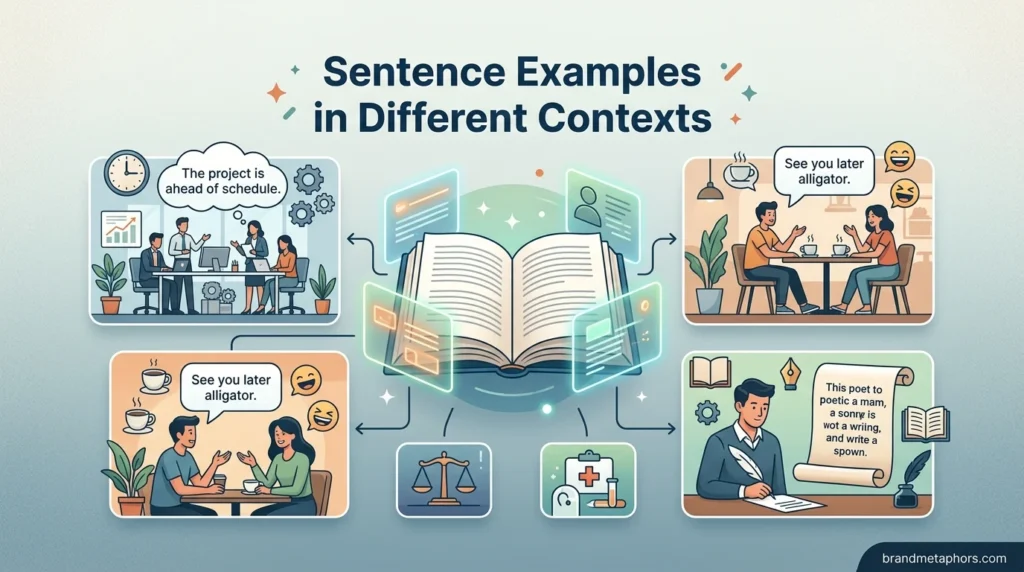
Everyday sentences:
- My father and I go for a walk daily.
- The teacher praised my father and me.
Formal writing:
- My father and I attended the conference.
- The manager appreciated my father and me.
Creative writing:
- My father and I watched the sunset in silence.
- The world felt calm when my father and I stood together.
Academic writing:
- My father and I conducted a small survey for our project.
- The results were shared with my father and me.
These examples show correct usage in different tones.
7. Common Mistakes Learners Make
Many students make similar errors when using “I” and “me.”
Mistakes:
- ❌ Me and my father went to school
- ❌ The teacher called I and my father
- ❌ Between you and I
Correct forms:
- ✔ My father and I went to school
- ✔ The teacher called my father and me
- ✔ Between you and me
Why mistakes happen:
- Lack of grammar practice
- Translating directly from native language
- Ignoring sentence structure rules
8. When to Use “I” and When to Use “Me”
Use “I” when:
- You are the subject
- You are performing the action
Examples:
- I completed my homework
- My father and I visited Lahore
Use “Me” when:
- You are the object
- Action is done to you
Examples:
- She helped me
- The coach selected my father and me
Simple trick:
Remove the other person and test the sentence.
9. Writing Skills and Vocabulary Enhancement Tips
Improving grammar also improves writing quality.
Tips:
- Read English books daily
- Practice sentence formation
- Learn new vocabulary words
- Write short paragraphs daily
- Use pronouns correctly in writing
Vocabulary enhancement examples:
- Instead of “good” → excellent, wonderful, outstanding
- Instead of “walk” → stroll, wander, march
Better vocabulary makes sentences more expressive and natural.
10. Idioms, Figurative Expressions, and Pronoun Usage
Idioms and figurative expressions often include pronouns like “I” and “me.”
Examples:
- “It’s between you and me” (correct idiom usage)
- “I’m all ears” (meaning: I am listening carefully)
- “Me, myself, and I” (self-reflection expression)
Metaphor example:
- I and my father are two roots of the same tree.
Simile example:
- My father and I are like two pages of the same book.
These expressions improve creative writing and emotional depth.
11. Practice Exercises for Learners

Try these exercises to improve understanding:
Drill 1: Fill in the blanks
- My father and ___ went to school.
- The teacher called my father and ___.
- ___ and my brother finished the work.
Exercise 2: Correct the sentences
- Me and my father are going home.
- The manager spoke to I and my father.
- Between you and I, this is secret.
Drill 3: Create your own sentences
- Write 3 sentences using “I”
- Write 3 sentences using “me”
Exercise 4: Creative writing
Write a short paragraph using both “I” and “me” correctly in a story about family.
12. Frequently Asked Questions (FAQs)
1. Which is correct: “my father and I” or “my father and me”?
Both are correct depending on the sentence. “I” is used for subjects, and “me” is used for objects.
2. Why is “me and my father” considered wrong?
Because in formal English, the subject should come first, and “me” is not a subject pronoun.
3. How can I easily remember the difference?
Remove the other person and check the sentence. It will sound correct automatically.
4. Is it okay to use “I” in informal writing?
Yes, but grammar rules should still be followed for clarity and correctness.
5. What is the most common mistake with “I” and “me”?
Using “me” as a subject, like “Me and my father went…”, which is incorrect.
Conclusion
Understanding the difference between “I” and “me” is a small but powerful step in mastering English grammar. It improves not only sentence accuracy but also overall writing confidence. Whether you are writing essays, stories, or daily communication, correct pronoun usage makes your language clear and professional.
When combined with figurative language, creative writing, and strong vocabulary, even simple grammar topics become powerful tools for expression. Keep practicing, read regularly, and apply these rules in your writing. Over time, correct usage will become natural and effortless.