
Anger rarely arrives quietly. It storms into a room, slams invisible doors, and fills the air with tension. Perhaps you have felt your face grow warm during an argument, your heart pound like a drum, or your thoughts race faster than a river after heavy rain. Anger is one of the most powerful human emotions, yet it is also one of the hardest to describe.
This is where metaphors become valuable. They transform an invisible feeling into something readers can see, hear, and feel. Instead of simply saying someone was angry, a metaphor can paint a vivid picture that captures the intensity of the emotion. A person can become a volcano ready to erupt, a thunderstorm gathering strength, or a boiling kettle about to whistle.
Writers, speakers, students, and everyday communicators use metaphors to make language more engaging. They help readers connect emotionally with a scene while making descriptions memorable and expressive. Whether you are writing a story, posting on social media, composing poetry, or simply improving your communication skills, learning powerful ways to describe anger can strengthen your language.
In this guide, you’ll discover creative metaphors, practical examples, writing tips, and exercises that help bring this fiery emotion to life.
Why Metaphors Matter When Describing Anger
Turning Feelings Into Images
Anger is abstract. People cannot see it directly. Metaphors transform it into something concrete.
Instead of saying:
“She was angry.”
You might say:
“She was a volcano rumbling beneath the surface.”
The second sentence creates an image and emotion instantly.
Metaphors help readers:
- Visualize emotions
- Connect with characters
- Remember descriptions
- Feel the intensity of a moment
They add depth to writing and make ordinary language extraordinary.
The Volcano Metaphor
Anger Waiting to Explode
One of the most common metaphors for anger is a volcano.
A volcano may appear calm on the outside while pressure builds inside. Eventually, it erupts with tremendous force.
Meaning: Hidden anger building until it bursts out.
Example Sentence:
“For weeks he stayed silent, but inside he was a volcano preparing to erupt.”
Alternative Expressions:
- A mountain of fire
- An erupting crater
- Lava beneath the surface
Sensory Details:
Imagine red-hot lava, shaking ground, and clouds of smoke. These details make the metaphor stronger.
Mini Story
A manager receives criticism day after day. He smiles politely during meetings. Then one afternoon, after hearing another unfair complaint, he explodes. His coworkers stare in shock. The volcano has erupted.
The Thunderstorm Metaphor
Anger as a Force of Nature
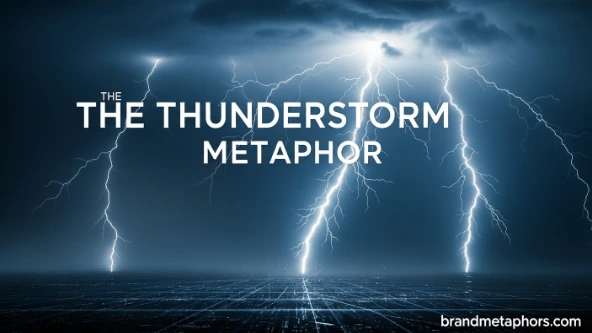
A thunderstorm often starts quietly. Dark clouds gather. The air becomes heavy. Then lightning strikes.
This makes it an excellent metaphor for anger.
Meaning: Growing frustration that eventually releases powerful emotion.
Example Sentence:
“Her anger rolled across the room like a thunderstorm.”
Alternative Expressions:
- A gathering storm
- Lightning in human form
- A sky full of thunder
Emotional Impact:
This metaphor often suggests unpredictability and intensity.
Literary Connection
Many novels use storms to symbolize emotional conflict. When characters become furious, authors often describe dark skies, heavy rain, or thunder to mirror their feelings.
The Boiling Kettle Metaphor
Pressure Building Over Time
A kettle slowly heats until steam escapes.
Likewise, anger often grows gradually.
Meaning: Increasing frustration reaching a breaking point.
Example Sentence:
“He was a boiling kettle, hissing with irritation.”
Alternative Expressions:
- Steam rising
- Ready to whistle
- Bubbling over
Real-Life Example
Imagine being stuck in traffic while already late for an important meeting. Every red light adds more frustration. Eventually, the smallest inconvenience feels enormous.
That is the boiling kettle effect.
The Wildfire Metaphor
Anger That Spreads Quickly
Wildfires move rapidly and can consume everything in their path.
Anger sometimes behaves the same way.
Meaning: Sudden anger spreading through thoughts, conversations, or groups.
Example Sentence:
“His fury spread through the team like a wildfire.”
Alternative Expressions:
- Flames of rage
- Fire racing through dry grass
- A blaze out of control
Cultural Example
In communities, a single misunderstanding can quickly ignite conflict. Like sparks in a forest, emotions spread from person to person.
The Caged Lion Metaphor
Controlled but Dangerous
A lion inside a cage appears restrained but still possesses immense power.
Meaning: Anger being held back with effort.
Example Sentence:
“She paced the room like a caged lion.”
Alternative Expressions:
- A trapped beast
- A restless predator
- A cornered animal
Why It Works
This metaphor highlights both strength and restraint. The person is angry but trying not to lose control.
The Earthquake Metaphor
Anger That Shakes Everything
Earthquakes arrive suddenly and can alter landscapes forever.
Similarly, intense anger can change relationships and situations.
Meaning: A powerful emotional outburst with lasting consequences.
Example Sentence:
“His words hit the family like an earthquake.”
Alternative Expressions:
- Emotional tremors
- A seismic explosion
- Ground-shaking rage
Storytelling Tip
Use this metaphor when the consequences of anger matter more than the anger itself.
The Burning Furnace Metaphor
Intense Internal Heat
A furnace generates tremendous heat behind closed walls.
This image works beautifully for internal anger.
Meaning: Strong emotions hidden beneath a calm appearance.
Example Sentence:
“Behind his smile burned a furnace of resentment.”
Alternative Expressions:
- A heart of fire
- Smoldering coals
- Internal flames
Emotional Detail
Readers can almost feel the heat radiating from the character.
That sensory experience makes the description memorable.
The Charging Bull Metaphor
Anger in Motion
A charging bull is focused, powerful, and difficult to stop.
Meaning: Anger that drives immediate action.
Example Sentence:
“He stormed into the meeting like a charging bull.”
Alternative Expressions:
- A runaway train
- An unstoppable force
- A battering ram
Writing Tip
This metaphor works especially well in action scenes where anger leads directly to behavior.
The Tornado Metaphor
Chaotic and Destructive Anger
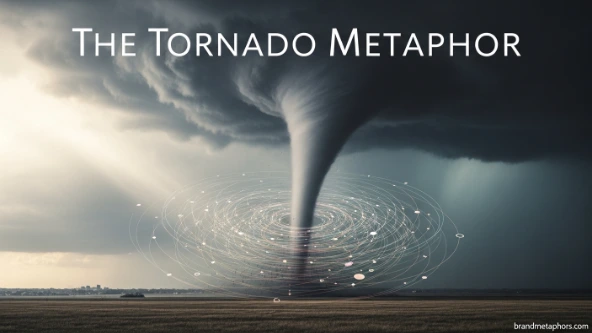
Tornadoes spin wildly and leave destruction behind.
Some anger feels exactly like that.
Meaning: Emotional chaos affecting everyone nearby.
Example Sentence:
“Her rage became a tornado tearing through the conversation.”
Alternative Expressions:
- A whirlwind of fury
- A spinning storm
- A cyclone of emotion
Sensory Elements
- Roaring wind
- Flying debris
- Sudden destruction
These details strengthen the image.
The Dragon Metaphor
Ancient Symbol of Fury
Across myths and legends, dragons represent immense power and fire.
Meaning: Fearsome anger that commands attention.
Example Sentence:
“When betrayed, he became a dragon breathing flames.”
Alternative Expressions:
- Breathing fire
- A mythical beast
- Wings of fury
Cultural Reference
Stories from Europe and Asia often portray dragons as powerful creatures capable of destruction. This makes the metaphor universally recognizable.
Creative Exercises for Practicing Anger Metaphors
Exercise 1: Finish the Metaphor
Complete these sentences:
- My anger was a __________.
- Her frustration became a __________.
- Their argument was a __________.
Try creating three unique answers.
Exercise 2: Use Nature
Describe anger using:
- Weather
- Fire
- Water
- Animals
Challenge yourself to avoid common choices.
Exercise 3: Rewrite Plain Sentences
Turn this sentence into a metaphor:
“The teacher was angry.”
Possible answer:
“The teacher was a storm cloud ready to burst.”
Create five different versions.
Bonus Tips for Writers, Social Media, and Daily Communication
For Fiction Writers
Choose metaphors that fit the character.
A firefighter may think of anger as flames.
A sailor may see it as rough seas.
For Poets
Combine multiple senses.
Example:
“His anger crackled like fire and tasted like smoke.”
For Social Media
Short metaphors perform well.
Examples:
- “Today I was a volcano.”
- “My patience became smoke.”
- “A storm lived in my chest.”
For Everyday Conversations
Metaphors can explain emotions more clearly.
Instead of saying:
“I’m angry.”
You might say:
“I feel like a kettle about to boil over.”
This creates understanding instantly.
Building Your Own Original Metaphors
A Simple Formula
Use this pattern:
Anger + Image = Metaphor
Examples:
- Anger + Ocean = “A tidal wave of rage”
- Anger + Fire = “A furnace of fury”
- Anger + Animal = “A growling wolf”
Ask yourself:
- What does anger feel like?
- What does it sound like?
- What does it resemble?
The answers often become powerful metaphors.
Conclusion
Anger is a complex emotion, but metaphors give it shape, color, and movement. They transform invisible feelings into vivid images that readers can instantly understand. Whether anger becomes a volcano, a thunderstorm, a wildfire, a dragon, or a tornado, the right metaphor turns ordinary writing into something memorable.
By practicing these creative comparisons, experimenting with sensory details, and matching metaphors to specific situations, you can make your writing stronger and more expressive. The next time you need to describe frustration, irritation, or rage, move beyond simple words. Paint a picture instead. The most powerful descriptions are often the ones readers can see in their minds long after they finish reading.
FAQ 1: What is a metaphor for anger?
A metaphor for anger is a comparison that describes anger as something else, such as a volcano, wildfire, storm, or dragon, without using “like” or “as.”
FAQ 2: Why are metaphors useful when describing anger?
Metaphors create vivid imagery, help readers connect emotionally, and make writing more memorable and engaging.
FAQ 3: What is the most common metaphor for anger?
The volcano metaphor is among the most common because it represents pressure building until an explosive release occurs.
FAQ 4: Can anger metaphors be used in everyday conversation?
Yes. Expressions like “I’m boiling inside” or “I’m a volcano ready to erupt” are common examples used in daily speech.
FAQ 5: How can I create my own metaphor for anger?
Think about what anger feels like physically or emotionally, then compare it to something with similar qualities, such as fire, storms, animals, or natural disasters.