
Introduction: When the World Turns to Gold
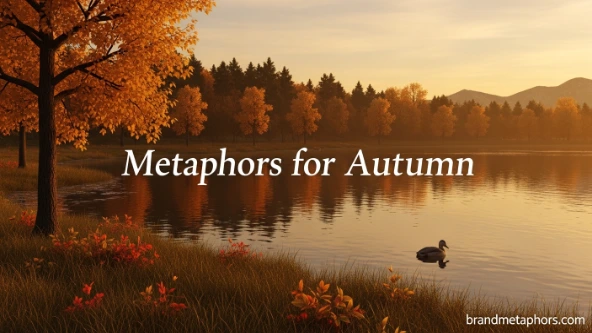
The first cool breeze arrives quietly. Leaves drift from towering trees like tiny handwritten letters. The air smells of wood, earth, and distant rain. Gardens begin to fade, fields prepare for rest, and sunsets paint the sky with shades of amber and crimson. Autumn is more than a season. It is a feeling, a transition, and a story unfolding in nature.
Because autumn symbolizes change, maturity, reflection, and preparation, writers often use vivid figurative language to capture its beauty. Metaphors help transform ordinary descriptions into memorable images. Instead of simply saying that leaves fall, a writer might describe them as golden confetti celebrating the year’s final festival. Such comparisons create emotion, imagery, and depth.
Understanding seasonal imagery can improve storytelling, poetry, social media captions, speeches, and everyday communication. Whether you are a student, blogger, novelist, or someone who simply loves language, learning creative ways to describe this colorful season can enrich your writing.
This guide explores imaginative comparisons, practical examples, creative exercises, and writing tips that will help you use seasonal imagery effectively. By the end, you will have plenty of inspiration to bring the magic of fall to life through words.
Why Autumn Inspires Powerful Imagery
The Season of Change
Every season carries symbolic meaning, but autumn often stands out because it represents transformation. Green leaves become red, orange, and gold before drifting away. Days grow shorter. Temperatures cool. Nature begins preparing for winter.
These visible changes make the season a rich source of inspiration for metaphorical language. Writers frequently connect autumn with:
- Wisdom
- Aging
- Reflection
- Letting go
- Harvest
- Transition
- Beauty in change
When readers encounter strong imagery connected to these themes, they instantly understand both the literal and emotional meaning.
Emotional Connection
Many people associate autumn with memories of school beginnings, family gatherings, cozy evenings, and peaceful walks. These emotional connections make seasonal comparisons especially effective.
Autumn as Nature’s Farewell Letter
Meaning and Explanation
One beautiful comparison portrays autumn as nature’s farewell letter. The changing leaves become words written across forests and fields. Each gust of wind turns another page in the message.
This image emphasizes endings while maintaining a sense of beauty and gratitude.
Example Sentence
“Autumn was nature’s farewell letter, written in gold and crimson across the hills.”
Alternative Expressions
- Nature’s goodbye note
- Earth’s final message
- The season’s closing chapter
- A letter written in leaves
Sensory Details
Imagine crisp air brushing your face while leaves rustle overhead. The sound resembles paper turning in an old book.
Mini Storytelling Example
A grandfather and granddaughter walk through a park. As leaves fall around them, he explains that every leaf carries a message from the year. Together, they watch the colors drift away, feeling both sadness and appreciation.
Autumn as a Golden Painter
Meaning and Explanation
This metaphor presents the season as an artist carrying a brush dipped in gold, orange, and red paint. Every tree becomes a canvas.
The comparison highlights creativity and visual beauty.
Example Sentence
“Autumn was a golden painter, brushing warmth across every hillside.”
Alternative Expressions
- The artist of the seasons
- Nature’s master painter
- The keeper of autumn colors
- The brush of the year
Emotional Impact
This imagery creates feelings of wonder and admiration.
Real-Life Connection
Many photographers travel long distances to capture colorful fall landscapes. Their fascination reflects the idea that the season behaves like an artist creating a masterpiece.
Autumn as a Harvest Treasure Chest

Meaning and Explanation
Another meaningful comparison sees autumn as a treasure chest overflowing with rewards. Farmers gather crops. Orchards provide fruit. Gardens offer their final gifts.
The image symbolizes abundance and gratitude.
Example Sentence
“Autumn opened its treasure chest and filled the countryside with pumpkins, apples, and golden grain.”
Alternative Expressions
- Nature’s reward box
- The season of abundance
- Earth’s storehouse
- A basket of riches
Sensory Details
Picture the scent of fresh apples, the sight of overflowing fields, and the texture of ripe pumpkins.
Writing Tip
Use harvest imagery when discussing achievement, success, or the rewards of hard work.
The Symbolism of Falling Leaves
Letting Go Gracefully
Few images are more closely connected with autumn than falling leaves. Writers often use them to symbolize release and acceptance.
Leaves do not cling forever. They let go when their time comes.
Example Sentence
“The leaves floated down like old worries finally released.”
Alternative Expressions
- Nature letting go
- The art of release
- Seasons of surrender
- Gentle departures
Emotional Significance
This comparison works especially well in reflective essays, personal stories, and inspirational writing.
Creative Prompt
Think about something you have recently released from your life. Describe it as a falling autumn leaf.
Autumn as a Wise Elder
Meaning and Explanation
Spring may represent youth, but autumn often symbolizes wisdom. The season has experienced growth and now shares its lessons before winter arrives.
Example Sentence
“Autumn stood like a wise elder, offering quiet lessons through every falling leaf.”
Alternative Expressions
- The teacher of seasons
- Nature’s philosopher
- The elder storyteller
- The keeper of wisdom
Cultural References
Many cultures celebrate harvest festivals during this time of year. These traditions often emphasize gratitude, reflection, and community.
Emotional Detail
The slower pace of autumn encourages thoughtful moments and deeper reflection.
Using Seasonal Imagery in Creative Writing
Building Atmosphere
Strong imagery can instantly establish mood.
A simple statement such as “It was autumn” becomes much more vivid when expanded through metaphorical language.
Example
Basic:
“The park was full of leaves.”
Enhanced:
“The park was a golden ocean where leaves drifted like tiny boats.”
Benefits
- Creates stronger visuals
- Builds emotional depth
- Improves reader engagement
- Makes scenes memorable
Writing Exercise
Describe your neighborhood using three different seasonal comparisons. Focus on sight, sound, and smell.
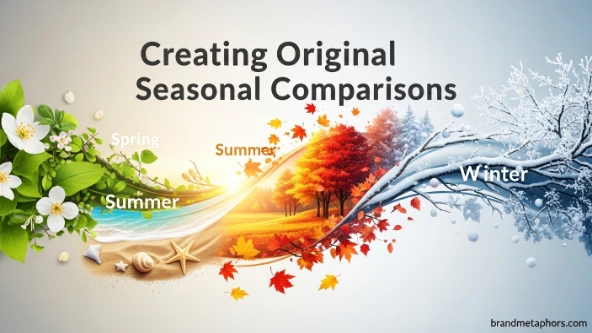
Creating Original Seasonal Comparisons
Avoid Common Clichés
While popular comparisons can be effective, original imagery often leaves a stronger impression.
Instead of repeating familiar descriptions, ask yourself:
- What does the season remind me of?
- What emotions does it create?
- What objects share similar qualities?
Creative Examples
- A patchwork quilt of colors
- A slow-burning campfire
- A treasure map made of leaves
- A symphony conducted by the wind
Practice Activity
Look outside and identify five objects. Connect each one to a feature of autumn.
Bonus Tip
The more specific your imagery, the more memorable it becomes.
Seasonal Imagery for Social Media and Everyday Writing
Making Captions More Engaging
Creative language can transform ordinary captions into attention-grabbing posts.
Example Captions
- “Walking through a river of gold.”
- “The trees are writing poetry again.”
- “Every leaf tells a different story.”
- “Wrapped in the season’s warm colors.”
Everyday Applications
You can use seasonal comparisons in:
- Journals
- Greeting cards
- Blog posts
- Speeches
- Classroom assignments
Quick Tip
Pair vivid imagery with personal experiences for greater authenticity.
Interactive Exercises to Strengthen Your Creativity
Exercise 1: Complete the Comparison
Finish these prompts:
- Autumn is a __________.
- The leaves are __________.
- The wind is __________.
- The forest becomes __________.
Exercise 2: Create a Story
Write a short paragraph using one of these ideas:
- A magical leaf
- A talking tree
- An enchanted harvest
- A golden pathway
Exercise 3: Sensory Exploration
Describe the season using:
- One sight
- One sound
- One smell
- One texture
- One emotion
Exercise 4: Personal Reflection
Think about a major life change. Compare it to a scene from autumn.
Exercise 5: Social Media Challenge
Write a caption using a seasonal comparison in fewer than twenty words.
Bonus Tips for Using Seasonal Comparisons Effectively
Balance Beauty and Clarity
Creative language should enhance understanding, not confuse readers.
Match Tone to Audience
Poetic descriptions work well in stories and blogs, while simpler comparisons suit business writing.
Engage Multiple Senses
Combine visual details with sounds, smells, and textures.
Connect Imagery to Emotion
The strongest comparisons create both a picture and a feeling.
Revise and Refine
Experiment with different wording until the image feels vivid and natural.
Keep a Nature Journal
Observing seasonal changes regularly provides endless inspiration for future writing projects.
Frequently Asked Questions
What makes autumn a good subject for metaphorical language?
Autumn naturally represents change, maturity, beauty, reflection, and transition. These themes make it ideal for creative comparisons.
How can I create original autumn imagery?
Observe nature closely and connect seasonal features to objects, emotions, or experiences that share similar qualities.
Can seasonal comparisons improve storytelling?
Yes. They add atmosphere, deepen emotions, strengthen imagery, and make scenes more memorable.
Are autumn comparisons useful outside of poetry?
Absolutely. They can enhance essays, blogs, speeches, social media posts, journals, and everyday communication.
What is the most common symbolic meaning associated with autumn?
The season often symbolizes transformation, wisdom, gratitude, reflection, and the acceptance of change.
Conclusion
Autumn is far more than a period between summer and winter. It is a season rich with meaning, color, emotion, and inspiration. Through vivid comparisons, writers can transform ordinary descriptions into powerful images that linger in readers’ minds. Whether autumn becomes a farewell letter, a golden painter, a treasure chest, or a wise elder, each image reveals a different side of its beauty.
The best seasonal imagery does more than describe falling leaves and cool air. It captures feelings, memories, and life lessons. By practicing creative observation, experimenting with sensory details, and exploring original comparisons, you can bring greater depth and elegance to your writing.
The next time you walk beneath a canopy of golden leaves, pause for a moment. Listen to the rustle of the trees, feel the crisp breeze, and consider what story the season is trying to tell. You may discover that autumn itself is one of nature’s greatest metaphors.