
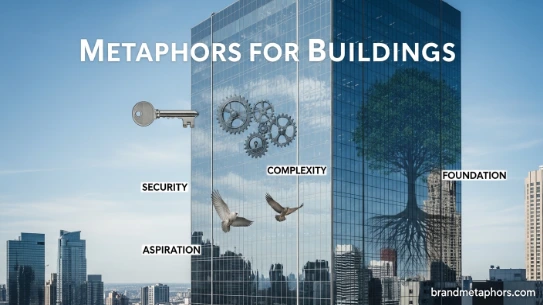
1. Metaphors for Buildings: A City That Breathes in Language
Imagine walking through a quiet street at dusk. Windows glow like soft amber eyes, staircases curl upward like hesitant thoughts, and old brick walls seem to whisper stories only the wind understands. A building is never just concrete and steel—it is a frozen moment of imagination, a physical memory of human intention.
In writing, metaphors for buildings transform ordinary architecture into living emotion. A house becomes a heartbeat. A skyscraper becomes ambition carved into the sky. A crumbling ruin becomes a forgotten sentence left unfinished. These comparisons help readers feel space rather than simply see it.
This article explores how buildings can become powerful metaphors in storytelling, poetry, branding, and everyday expression. You will learn creative frameworks, real examples, and practical exercises that will help you use architectural imagery to make your writing more vivid, emotional, and memorable.
2. Understanding Metaphors for Buildings in Creative Language
What does this metaphor really mean?
A metaphor for buildings is when architecture is used to represent ideas, emotions, or human experiences. Instead of describing a building literally, we describe it as something else entirely—something alive, symbolic, or emotional.
Why writers use it
Writers use building metaphors because architecture is familiar yet powerful. Everyone understands walls, doors, roofs, and windows, so they become perfect tools for abstract meaning.
Example idea
- “Her confidence was a glass tower—beautiful but easy to shatter.”
Alternative expressions
- Structure of emotion
- Architectural symbolism
- Urban imagery in writing
- Built-world metaphors
Mini reflection
Think of your own home. If it represented your personality, would it be warm or cold, open or locked, simple or complex? That’s metaphor in action.
3. Why Buildings Make Powerful Metaphors in Writing and SEO Content
Buildings are more than structures—they are emotional maps. That is why they dominate literature, film, poetry, and even marketing language.
Emotional universality
Everyone has lived in or visited a building. This shared experience makes architectural metaphors instantly relatable.
Symbol of stability and change
A building can represent strength, but also decay. It reflects both permanence and impermanence.
Example sentence
- “The company’s reputation stood like a fortress—strong on the outside, fragile within.”
Cultural reference
In Gothic literature, castles often symbolize fear, isolation, and mystery. In modern urban fiction, skyscrapers represent ambition and capitalism.
Sensory note
Think of echoing hallways, creaking floors, and sunlight cutting through dusty windows—each detail adds emotional depth to writing.
4. Sensory Language of Architecture: Turning Buildings into Living Experiences
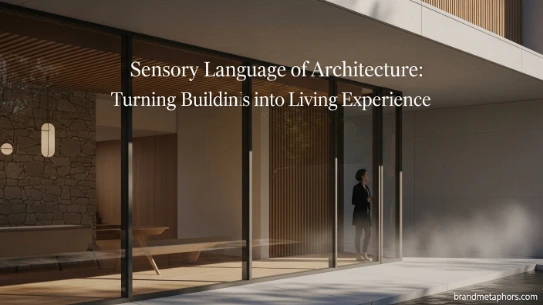
Buildings are not silent—they speak through texture, sound, and light.
How sensory details shape metaphors
- Rough walls suggest struggle
- Glass surfaces suggest transparency or fragility
- Tall ceilings suggest freedom or emptiness
Example
- “The abandoned factory sighed with rusted breath.”
Alternative expressions
- Atmospheric architecture
- Emotional structure imagery
- Sensory-built metaphors
Mini storytelling
A child enters an old library. Dust floats like golden snow. Every shelf feels like a sleeping giant. The building doesn’t just hold books—it holds time itself.
Practice prompt
Describe your school or workplace using only sensory metaphors. Avoid literal description.
5. Metaphor Example 1: Buildings as the Human Body
Meaning and explanation
This metaphor treats a building like a living body. Walls become skin, pipes become veins, and windows become eyes watching the world.
Example sentence
- “The hospital breathed through its corridors, its heart beating in the emergency wing.”
Alternative expressions
- Living structure
- Anatomical architecture metaphor
- Humanized buildings
Sensory and emotional detail
You can almost feel the building inhale when doors open and exhale when crowds leave. Pipes hum like blood flowing through arteries.
Mini storytelling
A lonely caretaker walks through an empty mall at night. He hears the building groan like a tired giant. He realizes he is not alone—the structure itself feels awake.
Creative exercise
Rewrite this sentence using body metaphors:
- “The office building is busy and full of energy.”
Try:
- Make it “breathing,” “thinking,” or “feeling.”
6. Metaphor Example 2: Buildings as Memory and Story
Meaning and explanation
In this metaphor, buildings store human memories. Every wall is a page, every room a chapter.
Example sentence
- “The old house was a novel written in dust and fading photographs.”
Alternative expressions
- Architectural memory
- Building as autobiography
- Spatial storytelling
Sensory and emotional detail
The smell of old wood becomes nostalgia. Scratched floors become forgotten arguments. Broken doors become lost opportunities.
Mini storytelling
A woman returns to her childhood home. The kitchen still echoes with laughter she once heard decades ago. The building doesn’t speak—but it remembers everything.
Creative exercise
Write a short paragraph where a building “remembers” your childhood moment.
7. Metaphor Example 3: Buildings as Machines or Organisms
Meaning and explanation
Here, buildings function like machines—precise, mechanical, and interconnected systems.
Example sentence
- “The airport was a restless machine, swallowing time and spitting out destinations.”
Alternative expressions
- Mechanical architecture
- Urban engine metaphor
- Structural system imagery
Sensory and emotional detail
Escalators hum like gears. Elevators rise like pistons. Lights blink like electronic nerves.
Mini storytelling
A traveler watches a train station at rush hour. People move like parts in a giant clockwork universe. Everything feels controlled, yet chaotic.
Creative exercise
Describe a shopping mall as if it were a living machine. Focus on movement and rhythm.
8. Interactive Exercises: Train Your Mind to Think Architecturally

Metaphorical thinking improves creativity, writing clarity, and storytelling depth.
Exercise 1: Object transformation
Choose a building and rewrite it as:
- a human
- a memory
- a machine
Exercise 2: Emotion mapping
Assign emotions to architectural elements:
- Doors = hesitation or opportunity
- Windows = curiosity or isolation
- Roofs = protection or limitation
Exercise 3: Micro-writing challenge
Write 3 sentences describing:
- A school
- A hospital
- A library using only metaphors.
Bonus tip
The more unusual your pairing (like “a jealous skyscraper”), the more memorable your writing becomes.
9. Bonus Tips for Using Building Metaphors in Writing, SEO, and Daily Life
In creative writing
Use buildings to:
- Set mood instantly
- Represent emotional states
- Build symbolic environments
In SEO content
Metaphors increase engagement by:
- Improving readability
- Increasing time on page
- Making content more shareable
In daily communication
Instead of saying:
- “I feel stuck,” say “I feel like a locked room with no windows.”
In storytelling
Give each location emotional identity:
- A “cold office”
- A “warm café”
- A “silent hallway”
Pro tip
Combine sensory details + metaphor = unforgettable imagery.
10. The Architecture of Imagination: Final Reflection
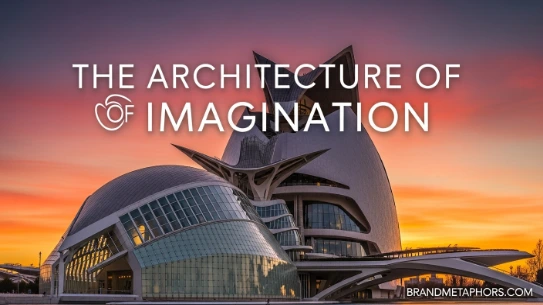
Buildings are not just structures we live in—they are reflections of how we think, feel, and remember. In language, they become more than walls and windows; they become emotions you can walk through.
When you use metaphors for buildings, you are not just describing space—you are building meaning itself. Every sentence becomes a room, paragraph becomes a floor. Every idea becomes a structure that readers can inhabit.
FAQs
What are metaphors for buildings in writing?
They are creative comparisons where buildings represent emotions, ideas, or human experiences.
Why are building metaphors effective?
Because architecture is familiar, visual, and emotionally flexible, making abstract ideas easier to understand.
Can building metaphors be used in SEO content?
Yes, they improve engagement, readability, and emotional connection with readers.
What is an example of a building metaphor?
“The office was a cage made of glass and deadlines.”
How can I improve my use of building metaphors?
Practice sensory writing, experiment with comparisons, and think of buildings as living systems.
Conclusion
Metaphors for buildings turn static architecture into living emotion. They allow writers to transform simple spaces into powerful symbols of memory, identity, and imagination. Whether you see a skyscraper as ambition, a house as memory, or a factory as a machine of time, you are shaping language into structure—and structure into meaning.
In the end, every story you write is its own building. The only question is: what kind of world will you construct next?