
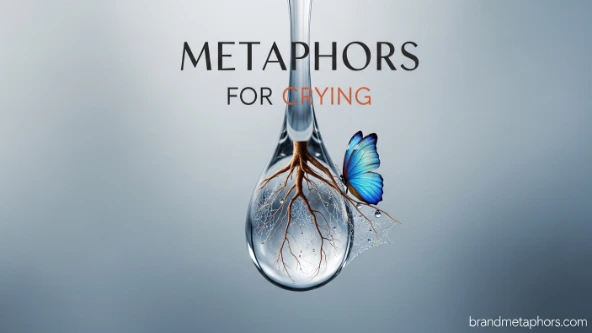
Crying is one of the most universal human experiences. Whether it arrives in moments of grief, joy, relief, or frustration, tears tell stories that words often cannot. Imagine standing by a window on a rainy evening. Tiny drops slide down the glass, blurring the world beyond. In many ways, tears work the same magic. They blur the sharp edges of emotions and allow feelings to flow freely.
Writers, poets, and storytellers have long used metaphors for crying to paint vivid emotional pictures. Instead of simply saying someone cried, they compare tears to rivers, storms, waterfalls, and countless other images. These comparisons help readers feel emotions more deeply.
Learning metaphors for crying can enrich your writing, improve storytelling, enhance social media captions, and make everyday communication more expressive. Whether you are a student, writer, blogger, or language enthusiast, understanding these metaphors can help you capture the beauty and complexity of human emotion.
In this guide, we will explore powerful metaphors for crying, their meanings, examples, creative applications, and practical exercises to help you use them effectively.
Why Metaphors for Crying Matter
Understanding Emotional Expression Through Metaphors
Literal descriptions often fail to capture the depth of emotions. Saying “she cried” communicates an action. Saying “a river broke through her eyes” creates an image and feeling.
Metaphors matter because they:
- Add emotional depth.
- Improve storytelling.
- Make writing memorable.
- Help readers connect with experiences.
- Create vivid mental pictures.
Think of great novels, songs, and movies. Many memorable scenes rely on metaphorical language to express emotions beyond simple descriptions.
Tears as a River: A Flow of Emotion
Meaning and Symbolism
One of the most common metaphors for crying compares tears to a river. Rivers flow continuously, sometimes gently and sometimes with overwhelming force.
This metaphor suggests:
- Deep emotions.
- Continuous sadness.
- Emotional release.
- Unstoppable feelings.
Example Sentence
“A river poured from her eyes as she read the final letter.”
Alternative Expressions
- Streams of sorrow.
- Floods of emotion.
- Cascading tears.
- Flowing grief.
Mini Storytelling Example
Imagine a grandmother opening an old photo album. As she turns each page, memories rush back. Soon, tears flow steadily down her cheeks like a quiet river winding through a valley of memories.
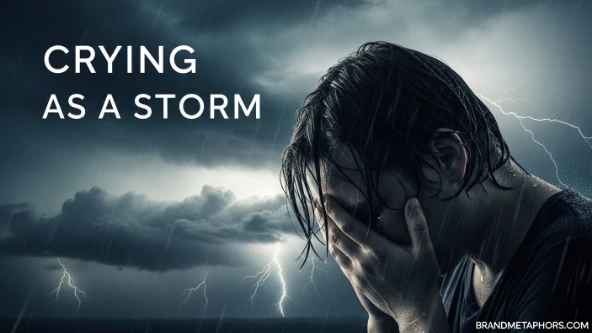
Crying as a Storm: Emotional Turbulence
Meaning and Symbolism
Storms represent intense emotional upheaval. When tears are compared to storms, the metaphor suggests powerful feelings that cannot be controlled.
Storm metaphors work especially well for:
- Heartbreak.
- Anger.
- Overwhelming grief.
- Emotional conflict.
Example Sentence
“A storm erupted behind his eyes when he heard the devastating news.”
Alternative Expressions
- Thunder of sorrow.
- Emotional hurricane.
- Tempest of grief.
- Rainfall of pain.
Literary Connection
Many classic writers use weather imagery to reflect emotions. Just as dark clouds gather before a storm, emotional pain often builds before tears arrive.
Tears as a Waterfall: Powerful Release
Meaning and Symbolism
A waterfall suggests intensity and abundance. Unlike a river, which may flow gently, a waterfall crashes with force.
This metaphor often describes:
- Uncontrollable crying.
- Sudden emotional release.
- Extreme sadness or joy.
Example Sentence
“The tears became a waterfall the moment she saw her family waiting at the airport.”
Alternative Expressions
- Cascade of tears.
- Torrent of emotion.
- Falling flood.
- Emotional waterfall.
Real-Life Scenario
After years apart, two childhood friends reunite. At first, neither speaks. Then emotions take over, and tears pour down like a waterfall crashing over ancient rocks.
Metaphors for Crying in Literature
Famous Literary Inspirations
Throughout history, writers have used tears as symbols of transformation, loss, and healing.
Common literary metaphors include:
- Tears as rain.
- Tears as pearls.
- Tears as oceans.
- Tears as broken music.
These images transform ordinary crying into meaningful artistic expression.
Example
“Her tears were pearls scattered across the night.”
This metaphor emphasizes both sadness and beauty.
Why Writers Love These Metaphors
They create:
- Strong imagery.
- Emotional resonance.
- Memorable scenes.
- Symbolic depth.
Tears as Rain: Nature’s Reflection of Sadness
Meaning and Symbolism
Rain is perhaps the most familiar metaphor for crying. Both involve water falling and often symbolize cleansing or renewal.
Rain metaphors can represent:
- Sadness.
- Reflection.
- Healing.
- Letting go.
Example Sentence
“Rain fell from his eyes as quietly as the evening drizzle outside.”
Alternative Expressions
- Gentle shower of tears.
- Drizzle of sorrow.
- Emotional rainfall.
- Mist of sadness.
Sensory Details
Picture gray skies, cool air, and the soft sound of raindrops tapping against a roof. These sensory elements can strengthen your metaphorical descriptions.
Tears as Pearls: Finding Beauty in Emotion
Meaning and Symbolism
Pearls are precious and rare. Comparing tears to pearls suggests that emotions hold value and beauty.
This metaphor often represents:
- Emotional honesty.
- Precious memories.
- Noble sorrow.
- Quiet dignity.
Example Sentence
“Pearls rolled down her cheeks as she listened to the farewell speech.”
Alternative Expressions
- Jewels of emotion.
- Precious drops.
- Crystal tears.
- Shining pearls.
Cultural Insight
Many cultures view tears not as weakness but as proof of deep feeling. The pearl metaphor reflects this perspective by treating emotions as treasures rather than flaws.
Creative Writing Tips for Using Metaphors for Crying
Tip 1: Match the Metaphor to the Emotion
Different emotions require different imagery.
Examples:
- River = steady sadness.
- Storm = intense grief.
- Waterfall = overwhelming emotion.
- Pearls = beautiful sadness.
Example
Instead of writing:
“She cried a lot.”
Try:
“A waterfall of emotion burst from her eyes.”
Tip 2: Add Sensory Details
Use sounds, textures, and visuals.
Example:
“Her tears fell like warm rain onto trembling hands.”
Tip 3: Avoid Overused Phrases
Create fresh metaphors.
Examples:
- Tears became shattered stars.
- Sorrow spilled like ink.
- Grief bloomed like a dark flower.
Using Metaphors for Crying in Social Media and Daily Life
Creating Emotional Captions
Metaphors can make social media posts more engaging.
Examples:
- “Today my heart carried its own storm.”
- “A river of memories found its way home.”
- “Some tears arrive as pearls of gratitude.”
Everyday Communication
Metaphors can also enrich conversations.
Instead of saying:
“I was very emotional.”
You might say:
“My emotions felt like a storm cloud ready to burst.”
Benefits
- More expressive communication.
- Stronger emotional connection.
- Greater creativity.
Interactive Exercises for Practicing Metaphors for Crying
Exercise 1: Complete the Metaphor
Finish these sentences:
- Her tears were like _______.
- Grief flowed through him like _______.
- Sadness arrived as a _______.
Exercise 2: Nature Challenge
Choose one natural element:
- Ocean.
- River.
- Rain.
- Wind.
- Mountain.
Create a crying metaphor using that element.
Exercise 3: Memory Writing Prompt
Write about a meaningful memory using one metaphor for crying.
Questions to consider:
- What happened?
- How did it feel?
- Which metaphor fits best?
- What sensory details can you add?
Exercise 4: Character Creation
Create a fictional character experiencing a strong emotion.
Describe their tears using:
- One weather metaphor.
- One water metaphor.
- One unique metaphor of your own.
Bonus Metaphors for Crying and How to Use Them

Ocean of Tears
Meaning: Immense sadness.
Example: “She drifted through an ocean of tears after the loss.”
Melting Ice
Meaning: Emotional barriers breaking down.
Example: “His icy silence melted into tears.”
Broken Dam
Meaning: Long-suppressed emotions finally released.
Example: “The dam broke, and years of pain rushed out.”
Falling Stars
Meaning: Beautiful yet heartbreaking tears.
Example: “Falling stars traced paths across her cheeks.”
Spilled Ink
Meaning: Emotions staining memories.
Example: “His sorrow spread like spilled ink across old memories.”
Bonus Writing Tip
Combine metaphors carefully.
Example:
“A storm gathered in her heart until the dam finally broke, releasing a river of tears.”
This layered imagery creates powerful emotional impact.
Frequently Asked Questions About Metaphors for Crying
What is a metaphor for crying?
A metaphor for crying is a figurative comparison that describes tears or emotions without using the words “like” or “as.” Examples include “a river of tears” or “a storm behind her eyes.”
Why do writers use metaphors for crying?
Writers use metaphors to create vivid imagery, evoke emotions, and help readers connect more deeply with characters and experiences.
What is the most common metaphor for crying?
The most common metaphor is tears as rain or a river because both involve flowing water and emotional release.
Can metaphors for crying express happiness?
Yes. Tears can represent joy, relief, gratitude, or love. For example, “pearls of happiness rolled down her cheeks.”
How can I create my own metaphor for crying?
Think about the emotion involved, then connect it to an image from nature, art, music, or everyday life. Focus on creating a vivid and meaningful comparison.
Conclusion
Metaphors for crying transform simple tears into powerful stories. A river can represent steady sorrow. A storm can reveal emotional chaos. A waterfall can capture overwhelming feelings, while pearls can highlight the beauty hidden within sadness. These metaphors help writers and speakers communicate emotions in ways that resonate deeply with others.
The next time you write about tears, move beyond ordinary descriptions. Let emotions become rivers, storms, oceans, waterfalls, or shining pearls. Through metaphor, crying becomes more than an action—it becomes a vivid journey through the landscape of the human heart.