
Introduction
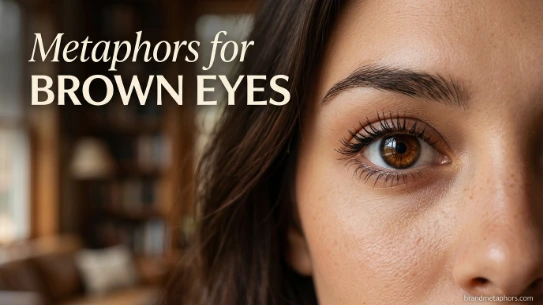
Have you ever looked into someone’s brown eyes and felt like you were reading a whole story without words? There is something quietly powerful about them. In soft light, they can look like warm earth after rain. In sunlight, they can glow like honey or melted chocolate. Brown eyes often feel familiar, safe, and deeply human—yet they also hold mystery, like a locked book waiting to be opened.
This is why writers, poets, and everyday people use metaphors for brown eyes to describe more than just color. They use them to capture emotion, personality, and hidden depth. A simple description like “brown eyes” becomes something richer: “forest eyes,” “coffee-colored warmth,” or “earth-toned comfort.”
In real life, these metaphors matter because they shape how we express attraction, emotion, and connection. They help us turn simple observations into meaningful language. In this article, we will explore powerful metaphors for brown eyes, what they symbolize, and how they reflect human feelings, imagination, and storytelling.
The Meaning Behind Metaphors for Brown Eyes
Metaphors for brown eyes are not just about appearance. They are about feeling. When someone says “her eyes were like dark wood,” they are describing depth, strength, and mystery—not just color.
Brown eyes are often associated with stability and warmth. Because they are the most common eye color in the world, they also feel familiar and relatable. This makes them perfect for symbolic language. Writers use them to express comfort, emotional safety, and quiet intensity.
For example, calling brown eyes “rich soil” suggests growth and life beneath the surface. It tells us the person may seem calm, but there is something powerful within them. In storytelling, these metaphors help readers “see” emotions without direct explanation.
Why Metaphors Matter
Metaphors make language emotional instead of flat. Instead of saying “he has brown eyes,” a metaphor like “his eyes were warm like evening earth” creates imagery, feeling, and memory. It connects physical appearance to inner personality.
In everyday speech, we use these comparisons naturally. We may not realize it, but we are constantly turning observation into meaning through metaphor.
Brown Eyes as Warm Earth

One of the most powerful metaphors for brown eyes is “earth.” This comparison connects eyes to soil, clay, and ground—symbols of life, grounding, and stability.
When someone’s eyes are described as “earth-toned,” it suggests they are dependable and real. Earth does not pretend to be something else; it simply exists, strong and steady. In the same way, brown eyes are often linked with honesty and authenticity.
Emotional Meaning of Earth Metaphors
- Calmness and grounding energy
- Emotional stability
- A sense of trust and safety
Imagine standing in a quiet field after rain. The soil is dark, rich, and alive. Saying someone has “earth-colored eyes” brings that same feeling into human expression. It suggests a person who is deeply connected to reality, someone others can rely on.
Writers often use this metaphor for characters who are wise, patient, or emotionally strong. It quietly tells the reader: this person is steady even when life is not.
Coffee and Tea: Everyday Warmth in Brown Eyes
Another common group of metaphors for brown eyes comes from drinks like coffee and tea. These comparisons feel natural because they are part of daily life.
H3: Coffee Brown Eyes
Calling brown eyes “coffee-colored” suggests warmth, energy, and comfort. Coffee is rich and deep, just like expressive brown eyes. It also carries a sense of wakefulness and emotion, as coffee is often tied to conversations, mornings, and connection.
H3: Tea-Colored Eyes
Tea metaphors feel softer. “Tea-colored eyes” often suggest gentleness, calmness, and quiet reflection. Tea is soothing, and so is the feeling behind this metaphor.
These drink-based comparisons work well because they connect visual color with emotional experience. When we think of coffee or tea, we don’t just see color—we feel warmth, smell aroma, and remember moments.
So when someone says “her eyes were like warm coffee in sunlight,” it becomes more than description. It becomes atmosphere, memory, and emotion all at once.
Chocolate Imagery: Sweetness and Depth

Chocolate is one of the most popular metaphors for brown eyes because it combines richness with sweetness. Saying someone has “chocolate eyes” instantly creates a sensory image.
Chocolate is smooth, deep, and comforting. It can also be intense and indulgent. This makes it a perfect metaphor for emotional complexity.
What Chocolate Eyes Suggest
- Warm personality
- Romantic or affectionate energy
- Depth beneath softness
There are also variations in this metaphor:
- “Dark chocolate eyes” → mystery, intensity, passion
- “Milk chocolate eyes” → softness, kindness, innocence
Chocolate metaphors are widely used in poetry and love writing because they balance attraction and comfort. They suggest that looking into brown eyes is like experiencing something both sweet and deeply emotional.
Forest and Night: Mystery in Brown Eyes
Brown eyes are often compared to forests, trees, and nighttime scenes. These metaphors add mystery and depth.
A forest is alive but hidden. It is beautiful but also unknown. Similarly, brown eyes can appear calm on the surface but feel deep and unreadable.
H3: Forest Eyes
“Forest eyes” suggest natural beauty and emotional depth. They can also symbolize someone who is complex, full of hidden thoughts and feelings.
H3: Night-Dark Eyes
“Night-colored eyes” emphasize mystery and quiet strength. Night is not empty—it is full of unseen movement and life.
These metaphors are often used in storytelling to create intrigue. A character with “forest eyes” is usually someone the reader wants to understand more deeply.
Honey and Amber Glow Metaphors
Some brown eyes have golden or warm tones, which leads to metaphors like honey, amber, or golden light.
Honey suggests sweetness, healing, and warmth. Amber suggests something ancient and glowing, like sunlight trapped in time.
Emotional Meaning
- Honey eyes → kindness, softness, emotional warmth
- Amber eyes → uniqueness, rare beauty, inner light
These metaphors are especially powerful because they add light to the image of brown eyes. Instead of darkness or depth alone, they introduce glow and brightness.
In storytelling, “amber eyes” often suggest someone with wisdom or a quiet inner fire. It is a gentle but powerful image.
Emotional Depth in Brown Eye Metaphors
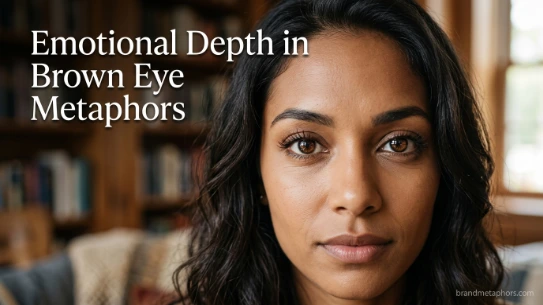
Brown eyes are often used to express emotional depth. Unlike bright or sharp eye colors, brown is soft and layered. This makes it perfect for describing complex feelings.
A metaphor like “deep wells of emotion” suggests that the person feels things strongly but may not always show it. Another example, “quiet storms behind warm eyes,” combines calm appearance with inner intensity.
Why Depth Matters
People often associate brown eyes with empathy and understanding. These metaphors help express:
- Hidden sadness or joy
- Emotional intelligence
- Sensitivity and reflection
When writers use such imagery, they are not just describing eyes—they are describing a personality that feels deeply and observes carefully.
Trust, Honesty, and Brown Eyes
Many cultures associate brown eyes with trustworthiness. This is why metaphors often reflect honesty and sincerity.
For example, “open earth eyes” or “steady brown gaze” suggest someone who is reliable and truthful.
Why This Association Exists
Because brown eyes are common, they feel familiar. Familiarity often creates trust. In storytelling, characters with brown eyes are often portrayed as grounded and sincere.
Metaphors in this category include:
- “Eyes like solid ground”
- “Warm, honest gaze”
- “Brown eyes like open fields”
These images create a sense of emotional safety. They suggest a person who does not hide behind illusions.
Mystery and Storytelling in Brown Eye Imagery
Even though brown eyes are common, they are often used to represent mystery in literature. This is because depth is not about rarity—it is about interpretation.
A simple phrase like “his brown eyes held untold stories” invites imagination. The reader begins to wonder: what stories? what emotions? what past?
Storytelling Power
Brown eye metaphors are powerful because they allow writers to:
- Suggest hidden emotions
- Build character depth
- Create emotional curiosity
Eyes become a window into a larger narrative. Instead of telling everything, the metaphor invites the reader to imagine.
Cultural Interpretations of Brown Eye Metaphors
Different cultures interpret brown eyes in different ways. In many regions, they symbolize earth, nature, and humanity. In poetry, they are often linked with love, simplicity, and emotional honesty.
Some cultures see brown eyes as ordinary, but metaphors transform “ordinary” into meaningful beauty.
Examples of Cultural Imagery
- Earth and soil → life and grounding
- Sun-baked land → resilience and strength
- Natural wood → stability and tradition
These interpretations show how metaphors reflect not just appearance, but cultural values and emotional beliefs.
Brown Eyes in Literature and Poetry

Writers often use brown eye metaphors to create emotional depth in characters. Instead of describing physical traits plainly, they turn them into symbolic language.
A character may be described as having “eyes like melted chocolate under soft light,” which immediately creates mood and tone.
Literary Purpose
- Build emotional connection
- Show personality without direct explanation
- Add beauty and rhythm to writing
In poetry, brown eyes are often tied to love and longing. They are described as warm, endless, or deeply comforting. These metaphors help readers feel the emotion instead of just understanding it.
How to Use Metaphors for Brown Eyes in Writing
Using metaphors effectively requires balance. Too many comparisons can feel overwhelming, while too few may feel plain.
Practical Tips
- Match metaphor to emotion (warmth, mystery, sadness)
- Use sensory details (taste, smell, light)
- Keep language simple and clear
For example: Instead of “She had brown eyes,” write: “Her eyes were warm like morning coffee, steady and calm.”
This creates emotion without overcomplicating the sentence. Good metaphors feel natural, not forced.
Common Misunderstandings About Eye Metaphors
Some people think metaphors are just decorative language, but they are more than that. They shape how we understand personality and emotion.
Misunderstanding 1: They are only poetic
Metaphors also appear in everyday speech, not just poetry.
Misunderstanding 2: They must be complex
Simple metaphors like “earth eyes” can be just as powerful as long ones.
Misunderstanding 3: They are only about beauty
Metaphors express emotion, character, and perception—not just appearance.
Understanding this helps writers and readers use metaphors more effectively and meaningfully.
Conclusion
Metaphors for brown eyes show how language turns simple observation into emotional meaning. From warm earth and coffee tones to chocolate richness and forest mystery, these comparisons reveal how deeply we connect physical features with feelings and personality. Brown eyes are not just a color—they become symbols of trust, depth, warmth, and quiet strength.
Through metaphors, we learn to see beyond appearance and into emotional storytelling. They help writers create vivid images and help readers feel closer to characters and people in real life. Whether described as honey light, night depth, or earth warmth, brown eyes carry endless meaning.
In the end, metaphors remind us that even the simplest things—like the color of someone’s eyes—can hold entire worlds of emotion, memory, and imagination when seen through thoughtful language.