
The first drop fell softly—barely a whisper against the dusty earth—yet it carried the promise of something more. Within moments, the sky unraveled, spilling silver threads of rain that turned streets into mirrors and thoughts into stories.
Weather has always been more than just climate; it is language. It speaks in thunder, sighs in breezes, and writes poetry in clouds.
We don’t just experience weather—we become it. We say we’re “feeling under the weather,” or describe joy as “sunshine after a storm.” These expressions are metaphors, and they transform something ordinary into something deeply human.
In this article, we’ll explore metaphors for weather—how they work, why they matter, and how you can use them to bring your writing, speech, and creativity to life.
What Are Weather Metaphors and Why Do They Matter?
Weather metaphors use elements like rain, sunshine, storms, wind, and seasons to describe emotions, situations, or personalities. Because weather is universally experienced, these metaphors instantly connect with readers and listeners.
Think about it:
- A “stormy relationship” feels intense and unpredictable.
- A “ray of sunshine” evokes warmth and hope.
Weather metaphors matter because they:
- Make abstract feelings tangible
- Add sensory depth to writing
- Create emotional resonance
- Help readers feel rather than just understand
They are especially powerful in storytelling, poetry, journaling, and even social media captions.
1. Storm as Conflict: When Emotions Thunder
Meaning & Explanation
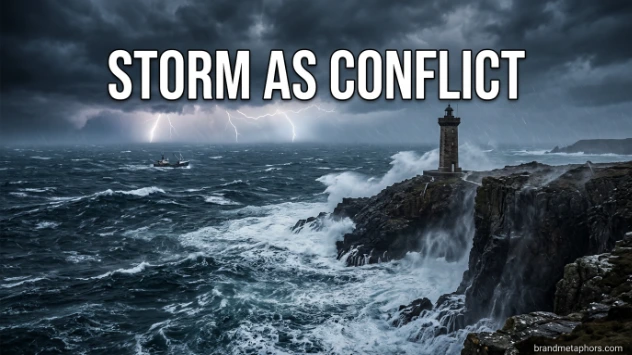
A storm often symbolizes chaos, conflict, or emotional turmoil. Just like real storms disrupt calm skies, emotional “storms” shake stability and bring tension.
Example Scenario
A character argues with a loved one after weeks of bottled-up frustration: “Their words clashed like thunder, each sentence flashing brighter and louder than the last.”
Alternative Expressions
- Emotional hurricane
- Thunder of anger
- Lightning-fast argument
- Tempest of feelings
Sensory & Emotional Details
Think of dark clouds gathering, heavy air pressing down, and sudden bursts of lightning. These details mirror rising tension and explosive emotions.
Mini Storytelling Moment
Imagine a young woman sitting by the window, watching a storm roll in. The sky cracks open just as she reads a message that changes everything. Outside, chaos. Inside, the same.
2. Sunshine as Joy: Warmth That Heals
Meaning & Explanation
Sunshine represents happiness, clarity, and positivity. It’s often used to describe people who bring light into others’ lives or moments of relief after hardship.
Example Sentence
“After months of uncertainty, her laughter felt like sunshine breaking through heavy clouds.”
Alternative Ways to Express It
- A beam of light
- Golden warmth
- Bright as morning
- Radiating positivity
Sensory & Emotional Details
Picture sunlight touching your skin, warming you gently, filling the air with comfort. That’s the emotional effect of this metaphor.
Cultural Reference
In literature and films, sunshine often follows hardship—symbolizing hope. Think of scenes where characters step into light after darkness; it’s a visual metaphor for renewal.
3. Rain as Renewal: The Quiet Healing

Meaning & Explanation
Rain can symbolize sadness—but also cleansing, growth, and renewal. It reflects moments when tears lead to healing.
Example Scenario
A person walks alone after a difficult day: “The rain fell softly, as if the sky understood what words could not.”
Alternative Expressions
- Tears of the sky
- Cleansing drizzle
- Silver sorrow
- Gentle downpour of peace
Sensory & Emotional Details
The sound of rain tapping on windows, the cool scent of wet earth, the calm rhythm—all evoke introspection and quiet healing.
Real-Life Reflection
Many people find comfort in rain. It slows the world down, offering space to think, feel, and begin again.
How to Use Weather Metaphors Effectively in Writing
1. Match the Emotion to the Weather
Don’t force a metaphor. Let the feeling guide the imagery.
- Anger → Storm
- Joy → Sunshine
- Sadness → Rain
2. Engage the Senses
Add details like sound, temperature, and movement. This makes your metaphor vivid and immersive.
3. Avoid Overused Phrases
Instead of “calm before the storm,” try something fresh: “The silence felt too still, like the sky holding its breath.”
Creative Exercises: Practice Weather Metaphors
Exercise 1: Emotion Forecast
Write a short paragraph describing your current mood as weather.
- Are you a foggy morning?
- A blazing afternoon?
- A restless storm?
Exercise 2: Transform a Sentence
Take a plain sentence: “I felt nervous before the interview.”
Rewrite it using a weather metaphor: “A storm of nerves churned inside me before the interview.”
Exercise 3: Character Weather
Describe a person using weather imagery. Example: “He was winter—quiet, distant, but beautiful in a way that made you pause.”
Bonus Tips: Using Weather Metaphors in Daily Life

For Writing
Use them in stories, poems, or journals to deepen emotional impact.
For Social Media
Create engaging captions:
- “Chasing sunshine after a week of storms ☀️”
- “A little rain never hurt a growing soul 🌧️”
For Conversations
Express feelings more creatively:
- “I’m in a bit of a fog today.”
- “Things are finally clearing up.”
SEO-Friendly Examples of Weather Metaphors in Context
Trope for Rain
- “Her thoughts drizzled into quiet reflection.”
- “Grief poured like relentless rain.”
Metaphors for Wind
- “Change swept through his life like a sudden gust.”
- “Her words carried the chill of a winter breeze.”
Metaphors for Seasons
- “Their love was spring—new, fragile, and full of promise.”
- “He lived in an endless autumn of nostalgia.”
Bringing It All Together: Weather as Emotional Language
Weather metaphors are powerful because they mirror the human experience. Just as skies change, so do we. One moment we’re basking in sunlight; the next, we’re navigating storms.
By using these metaphors, you don’t just describe emotions—you animate them.
FAQs About Metaphors for Weather
What are weather metaphors?
Weather metaphors use elements like rain, sun, and storms to describe emotions, situations, or personalities in a vivid and relatable way.
Why are weather metaphors so effective?
They connect with universal experiences, making abstract feelings easier to understand and more emotionally impactful.
Can weather metaphors be used in everyday conversation?
Yes! Phrases like “feeling under the weather” or “a storm is coming” are common examples used in daily life.
How can I make my weather metaphors unique?
Focus on sensory details and avoid clichés. Try combining unexpected elements or adding personal experiences.
Are weather metaphors suitable for all types of writing?
Absolutely. They work well in creative writing, poetry, blogging, social media, and even professional communication when used appropriately.
Conclusion
Weather is more than a backdrop—it’s a storyteller, a mood-setter, a mirror of the human soul. When you use metaphors for weather, you tap into a language that everyone understands but few fully explore.
So the next time you sit down to write or speak, pause for a moment. Look at the sky—real or imagined. Is it calm, stormy, bright, or shifting?
Then let that sky speak for you. 🌦️