
Have you ever hoped something would go well before an exam, job interview, sports match, or important life event? Many people use a simple phrase to express that hope. It is one of the most common expressions in everyday English, used in conversations, text messages, social media, and even workplaces.
This popular saying represents optimism, good wishes, and positive expectations. Whether someone is waiting for medical test results, applying for a dream job, or hoping for good weather on a special day, this expression communicates support and encouragement without needing a long explanation.
In this guide, you’ll learn its meaning, history, symbolism, common situations, examples, cultural differences, and practical tips for using it naturally in English. By the end, you’ll understand why this simple expression has remained popular across generations and cultures.
What Does This Expression Mean?
The phrase is an informal way to express hope that something will happen successfully.
People use it to:
- Wish for good luck
- Express hope for a positive outcome
- Encourage someone facing an important event
- Show emotional support
- Share optimism about the future
Unlike directly saying “Good luck,” this phrase often sounds warmer and more personal.
Simple examples
- I hope you pass your driving test.
- I hope the weather stays sunny for the wedding.
- I hope our team wins tonight.
- I hope everything goes well at your interview.
In each situation, the speaker expresses hope rather than certainty.
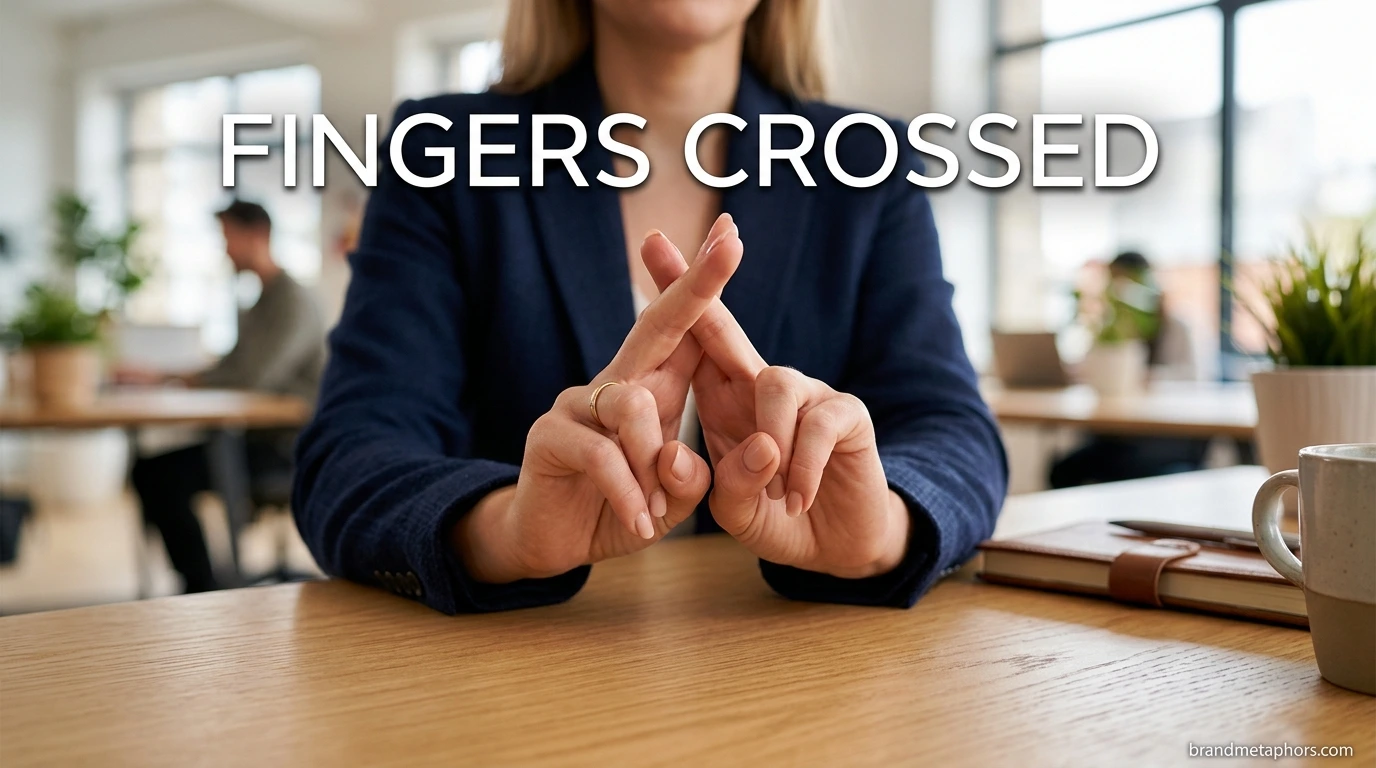
The Symbolism Behind Crossing Fingers
The hand gesture itself has existed for centuries.
When someone crosses the index finger over the middle finger, it forms a small cross.
Historically, crosses were associated with:
- Protection
- Faith
- Blessings
- Good fortune
- Positive energy
Over time, people began making the gesture while wishing for something important.
Today, many people make the gesture automatically without thinking about its historical or religious roots.
For most people, it simply means:
- “I hope everything works out.”
History and Origin
The expression has surprisingly ancient origins.
Long before it became a common English saying, people believed that crossing fingers could attract good fortune and protect against bad luck.
Early beliefs
Ancient Europeans believed:
- The cross had protective powers.
- Good wishes became stronger when a cross was formed.
- Evil spirits avoided sacred symbols.
Medieval traditions
Later, two people sometimes crossed their fingers together while making a wish.
This symbolized:
- Shared hope
- Friendship
- Divine blessing
Eventually, people began crossing their own fingers alone.
The gesture slowly became connected with luck rather than religion.
Today, it is recognised worldwide as a symbol of hope.
Common Situations Where People Use It
This expression appears in countless everyday situations.
Before exams
Students often say it before:
- Final exams
- Entrance tests
- Scholarship interviews
- Oral presentations
Example:
“I studied all week. Hopefully everything goes well tomorrow.”
Job interviews
Friends commonly say it before interviews.
Example:
“You’ll do great. I hope everything works out.”
Medical appointments
People use it while waiting for:
- Test results
- Surgery outcomes
- Doctor appointments
It expresses care without making promises.
Sports
Fans often say it before:
- Football matches
- Cricket games
- Tennis tournaments
- Olympic events
Travel
People hope for:
- Safe flights
- Good weather
- No delays
- Smooth journeys
Relationships
People express hope before:
- First dates
- Marriage proposals
- Family meetings
- Important conversations
Different Ways People Express Hope
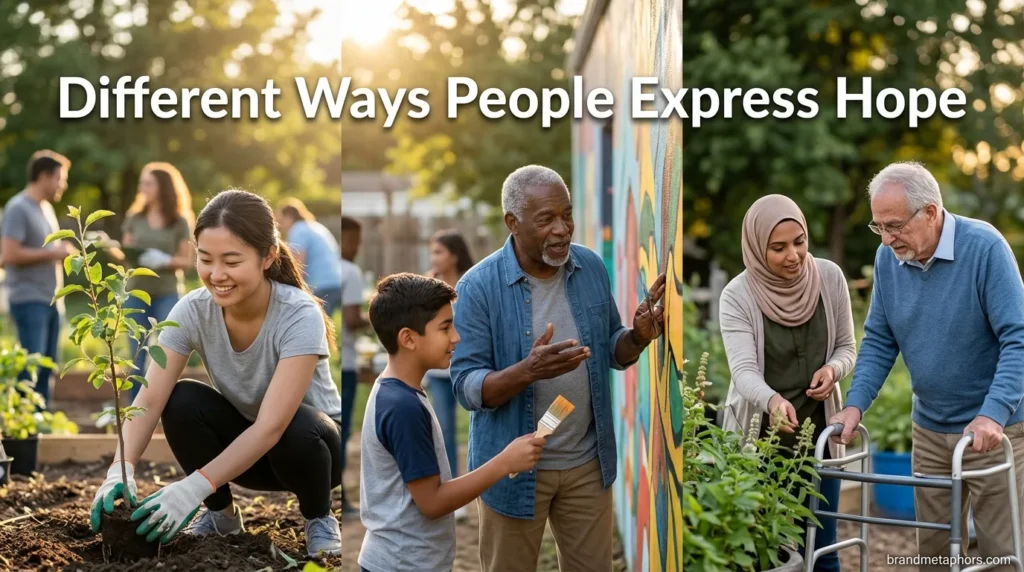
English offers many alternatives depending on the situation.
ExpressionMeaningFormalityGood luckWish someone successNeutralBest of luckSlightly warmerNeutralHope everything goes wellFriendlyNeutralWishing you all the bestPoliteFormalI’ll be rooting for youSupportiveInformalHope for the bestOptimisticNeutralSending positive thoughtsCaringInformalYou’ve got thisEncouragingInformal
Choosing the right expression depends on your relationship with the other person.
Examples in Everyday Conversations
Seeing natural examples makes learning easier.
Example 1
Sarah: “I have my university interview tomorrow.”
Emma: “You’ll do great. I’m hoping everything works out.”
Example 2
Ali: “The doctor will call with my results today.”
Ahmed: “I hope everything comes back normal.”
Example 3
Lisa: “Our flight leaves during the storm.”
Mark: “Let’s hope the weather improves.”
Example 4
Teacher:
“I know you’ve prepared well. Believe in yourself.”
Student:
“I really hope everything goes smoothly.”
Example 5
Friend:
“Our football team is in the final.”
Friend:
“Let’s hope they bring home the trophy.”
Why This Expression Is So Popular
Its popularity comes from several advantages.
It is simple
Only a few words communicate encouragement.
It feels supportive
Instead of giving advice, it simply offers emotional support.
It works in many situations
People use it for:
- School
- Work
- Family
- Sports
- Health
- Travel
Everyone understands it
Native speakers recognise it immediately.
Even many English learners know its meaning.
It creates emotional connection
Showing hope helps people feel less alone during stressful moments.
Benefits of Using Positive Expressions
Positive language can improve everyday communication.
Some benefits include:
- Builds stronger friendships
- Shows empathy
- Encourages confidence
- Creates optimism
- Makes conversations warmer
- Reduces anxiety
- Improves emotional support
- Strengthens relationships
Even a small phrase can make someone feel encouraged before a difficult challenge.
Common Mistakes to Avoid
Many English learners misuse this expression.
Mistake 1: Using it after the result
Incorrect:
“I passed yesterday.”
Response:
“I’m hoping everything works out.”
The outcome already happened.
Mistake 2: Using it for guaranteed events
If something is already certain, expressing hope sounds unnecessary.
Mistake 3: Confusing it with lying
Some people know another meaning where someone secretly crosses their fingers behind their back while making a promise.
In old folklore, this symbol supposedly cancelled a promise.
Modern English rarely uses this meaning in everyday conversation.
Mistake 4: Overusing it
Not every conversation needs expressions of luck.
Sometimes saying:
- Congratulations
- Well done
- I’m proud of you
is more appropriate.
Cultural Differences Around the World
Different cultures have different lucky gestures.
Here are a few examples.
Country or RegionCommon Lucky SymbolUnited KingdomCrossing fingersUnited StatesCrossing fingersItalyTouching ironTurkeySaying “Inshallah” in hopeful situationsJapanDifferent lucky charms rather than finger gesturesChinaGood luck symbols and lucky numbersIndiaPrayers and blessings are often used
Although customs differ, the idea remains the same:
People naturally want to encourage one another.
Tips for Using It Naturally
Here are practical ways to sound more like a native speaker.
Before important events
- Exams
- Interviews
- Competitions
- Performances
In text messages
Examples:
- Hope everything goes well tomorrow!
- Wishing you the best today!
- You’ve prepared well.
- I believe in you.
- Hope all goes smoothly.
At work
Professional examples include:
- I hope the presentation is successful.
- Wishing your project every success.
- Hope today’s meeting goes well.
With friends
More casual expressions include:
- You can do it!
- I’m cheering for you.
- Hope it all works out.
- Best of luck!
Related Words and Semantic Vocabulary

Learning related vocabulary helps improve English naturally.
Some useful words include:
- Hope
- Luck
- Fortune
- Success
- Optimism
- Encouragement
- Confidence
- Wish
- Blessing
- Positive thinking
- Support
- Opportunity
- Motivation
- Achievement
- Faith
- Expectation
- Good fortune
- Emotional support
- Well wishes
- Confidence building
These words often appear together in conversations about encouragement and success.
Frequently Asked Questions
1. What does this expression really mean?
It means hoping something turns out well or wishing someone good luck before an important event.
2. Is it formal or informal?
It is mainly informal but is widely accepted in everyday conversations, emails, and friendly workplace communication.
3. Can I use it in professional settings?
Yes. It is appropriate when wishing colleagues success before presentations, interviews, meetings, or projects.
4. Is the hand gesture necessary?
No. Many people simply say the words without making the gesture.
5. Does it have religious origins?
Historically, it is linked to the symbol of the cross, but today most people use it only as a sign of hope or good luck.
6. Is it the same as saying “Good luck”?
They are very similar, but this expression often conveys a stronger sense of hope and personal encouragement.
7. Can it be used in text messages?
Absolutely. It is very common in texts, chats, emails, and social media posts because it is short and easy to understand.
8. Why do people sometimes cross their fingers behind their back?
In old folklore, crossing fingers behind the back was believed to cancel a promise or excuse a lie. Today, this meaning is uncommon and mostly appears in stories or jokes.
Conclusion
This timeless expression has become one of the world’s most recognisable ways to wish someone success, express optimism, and offer emotional support. Whether someone is facing an exam, interview, medical test, sporting event, or major life decision, these simple words communicate kindness, encouragement, and hope.
Beyond its ancient origins and symbolic hand gesture, its true value lies in the positive feelings it creates. It reminds people that someone believes in them and wants the best possible outcome. Learning when and how to use this expression naturally will improve your English communication while helping you connect with others in a warm, supportive, and meaningful way.