
1. Introduction: Why Figurative Language Improves Writing and Communication
Figurative language is one of the most powerful tools in English writing. It helps writers express deep emotions, abstract ideas, and vivid pictures in the reader’s mind. Instead of saying things in a plain or direct way, figurative language uses creative writing techniques like metaphors, similes, idioms, and symbolic expressions to make meaning stronger and more memorable.
For students and English learners, understanding figurative language is important because it improves writing skills, vocabulary enhancement, and descriptive language ability. It also helps in reading comprehension, especially in literature, poetry, and religious texts where meaning is often layered.
One famous example of such expressive language is the phrase commonly written as he is risen or he has risen, which carries both grammatical and stylistic importance. This expression is often studied in language learning because it shows how grammar, tone, and literary style can change meaning and emotional impact.
In this article, we will explore its meaning, grammar, usage, tone, and writing applications in detail, along with examples, tables, exercises, and common mistakes.
2. Meaning and Origin of the Expression
The expression refers to the idea of someone rising from death or returning to life. It is widely used in religious and literary contexts, especially in Christian traditions, where it refers to the resurrection narrative.
From a language perspective, it is also an example of archaic English usage. The word “risen” is the past participle of “rise,” and its structure reflects older English grammar styles that are still preserved in formal and religious writing.
Key meanings:
- A return to life or existence after death (literal meaning)
- A symbolic rise to hope, power, or renewal (figurative meaning)
- A poetic expression of victory over death or darkness
This phrase is powerful because it blends literal meaning with symbolic interpretation, making it an important study point in figurative language.
3. Grammar Analysis: “Is Risen” vs “Has Risen”
Understanding grammar is essential for learners because small changes can affect tone and correctness.
Structure comparison:
FormGrammar TypeExampleUsage Styleis risenPassive-style archaic structureHe is risenTraditional / religious tonehas risenPresent perfect tenseHe has risenModern English usage
Explanation:
- “Has risen” is grammatically standard in modern English.
- “Is risen” is more poetic, symbolic, and traditional.
- Both forms communicate the idea of rising, but the tone is different.
Simple explanation:
- “Has risen” = factual statement
- “Is risen” = expressive or symbolic statement
This difference is important in writing skills and tone awareness.
4. Literal vs Figurative Meaning
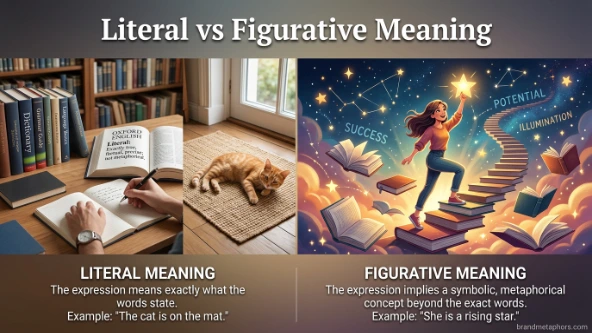
The expression can be understood in two ways: literal and figurative.
Literal meaning:
It describes a physical act of rising or coming back to life.
Figurative meaning:
It symbolizes:
- Hope after despair
- Victory after struggle
- Renewal of life or spirit
Example:
- Literal: A person has come back to life.
- Figurative: A community has overcome hardship and “risen again.”
This dual meaning makes it a strong example of symbolism in creative writing.
5. Usage in Religious and Literary Contexts
In religious writing, the phrase is used to express belief, faith, and spiritual victory. It carries emotional depth and is often repeated in sermons, hymns, and sacred literature.
In literary writing, it is used as:
- A metaphor for rebirth
- A symbol of hope
- A poetic expression of transformation
Example sentences:
- The message of resurrection is expressed as a symbol of light overcoming darkness.
- In poetry, the idea of rising represents emotional healing.
- The story uses symbolic language to show victory over suffering.
This shows how figurative language enhances emotional storytelling.
6. Tone and Style in Writing
Tone plays a very important role in how this expression is used.
Common tones:
- Sacred tone: Used in religious writing
- Poetic tone: Used in poetry and literature
- Formal tone: Used in academic or theological writing
Example tone differences:
- Sacred: The message reflects divine victory.
- Poetic: Light has returned after darkness.
- Formal: The text refers to a historical resurrection belief.
Understanding tone helps learners improve creative writing and descriptive language skills.
7. Literary Devices Used in the Expression
This phrase is rich in literary devices, which makes it useful for studying figurative language.
Key literary devices:
1. Metaphor
It compares rising from death to renewal of life.
2. Symbolism
“Rising” symbolizes hope, rebirth, and victory.
3. Imagery
It creates mental images of movement from death to life.
4. Allusion
It indirectly refers to religious narratives.
Example:
- The phrase acts as a metaphor for overcoming darkness.
- Rising becomes a symbol of new beginnings.
These devices improve writing skills and vocabulary enhancement.
8. Comparison Table: Different Forms and Meanings
ExpressionMeaningToneUsageHe is risenSymbolic resurrection statementPoetic / traditionalReligious or literary textsHe has risenModern grammatical formNeutral / factualEveryday EnglishHe roseSimple past actionDirectStorytellingRising againContinuous or repeated actionDescriptiveCreative writing
This table helps learners understand comparison examples in grammar and style.
9. Sentence Examples (Categorized)
A. Simple sentences:
- He has risen after the long sleep of winter.
- The hero has risen from defeat.
B. Literary sentences:
- The kingdom rose like light breaking through clouds.
- Hope rose in the hearts of the people.
C. Poetic expressions:
- From silence, life rises like dawn.
- The spirit rises beyond shadows.
D. Figurative usage:
- The city has risen from its ruins.
- Confidence rises after every challenge.
These examples show how creative writing transforms meaning.
10. Common Mistakes Learners Make

1. Confusing tense
Wrong: He is rise yesterday Correct: He has risen
2. Using modern grammar in poetic context incorrectly
Wrong: He has risen (in formal hymn tone) Correct: He is risen (traditional tone)
3. Overusing the phrase
Writers sometimes repeat it too often, reducing impact.
4. Ignoring tone
Using the wrong tone can make writing sound unnatural.
Tip:
Always match grammar with context and audience.
11. At to Use and When to Avoid
When to use:
- Religious writing
- Poetry and literature
- Symbolic storytelling
- Inspirational content
When to avoid:
- Technical writing
- Scientific reports
- Casual everyday conversation (in archaic form)
- Academic grammar tasks requiring modern English
Key idea:
Use expressive forms only when figurative language enhances meaning.
12. Writing Exercises for Practice
Exercise 1: Rewrite sentences
Convert literal sentences into figurative expressions:
- The man survived hardship.
- The town recovered from destruction.
Exercise 2: Identify tone
Is the sentence poetic, formal, or literal?
- Hope rises like the sun.
- He has risen from sleep.
Exercise 3: Create metaphors
Write three metaphors using the idea of “rising.”
Exercise 4: Compare forms
Write one sentence using:
- “has risen”
- “is risen”
Exercise 5: Creative paragraph
Write a short paragraph using symbolic language about renewal or rebirth.
These exercises improve writing skills, creativity, and vocabulary enhancement.
13. Frequently Asked Questions (FAQs)
1. What does the expression mean in simple words?
It means someone has come back to life or experienced symbolic renewal.
2. Is “is risen” grammatically correct?
Yes, but it is archaic and used mainly in religious or poetic contexts.
3. What is the difference between “is risen” and “has risen”?
“Has risen” is modern grammar, while “is risen” is traditional and symbolic.
4. Can it be used in creative writing?
Yes, it is often used in poetry, storytelling, and figurative language.
5. Why is it important in English learning?
It helps learners understand tone, grammar variation, and literary devices.
Conclusion
Understanding expressions like he is risen or he has risen helps learners go beyond basic grammar and explore the beauty of figurative language. It shows how English can shift between literal meaning and poetic expression depending on tone, context, and purpose.
For students, writers, and English learners, this phrase is a powerful example of how metaphors, symbolism, and descriptive language work together to create emotional depth. By studying such expressions, you not only improve grammar but also enhance your creative writing, vocabulary, and communication skills.
Mastering these differences allows you to write with clarity, emotion, and artistic expression—skills that are essential in both academic and creative English writing.