
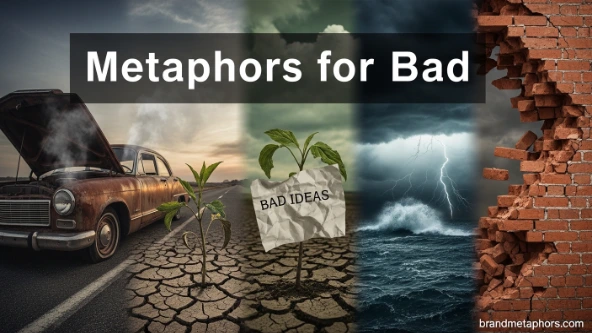
Bad experiences, bad habits, bad decisions, and even bad moods are part of life. Everyone has faced moments that felt heavy, disappointing, or difficult to explain. Sometimes ordinary words are not enough to capture these feelings. That is where metaphors become powerful. They turn abstract emotions and situations into vivid images that readers can instantly understand and feel.
Imagine walking through a garden only to find a patch of weeds choking the flowers. Think of a storm cloud hanging over a sunny day or a rotten apple hidden in a basket of fresh fruit. These images communicate negativity more effectively than simply saying something is “bad.” They paint a picture in the mind.
Learning how to use figurative language for negative situations can improve writing, storytelling, speeches, social media posts, and everyday conversations. Strong comparisons help readers connect emotionally with a message. They add color, depth, and memorability.
This guide explores powerful ways to describe undesirable things through creative comparisons. You will discover meanings, examples, alternative expressions, practical exercises, and writing tips that make your language richer and more engaging.
Understanding Metaphors for Bad Situations
Why Negative Metaphors Matter
Metaphors help transform simple descriptions into memorable images. Instead of saying a situation is terrible, you can compare it to something that naturally represents decay, darkness, or trouble.
These comparisons:
- Create emotional impact
- Improve storytelling
- Make writing more vivid
- Help readers visualize ideas
- Add creativity to communication
Writers, poets, journalists, and speakers often rely on symbolic language to describe failure, conflict, disappointment, or harmful behavior.
The Emotional Power of Imagery
A phrase like “a sinking ship” instantly creates feelings of danger and hopelessness. Readers do not need lengthy explanations because the image already carries emotional weight.
That is the beauty of metaphorical language.
The Rotten Apple Metaphor
Meaning and Explanation
A rotten apple represents something harmful, corrupt, or negative that affects everything around it.
Just as one spoiled fruit can ruin an entire basket, one bad influence can damage a group, team, or relationship.
Example Sentence
“The dishonest employee was a rotten apple in the company.”
Alternative Expressions
- Spoiled fruit
- Decayed branch
- Tainted ingredient
- Sour grape
Storytelling Example
Imagine a classroom filled with motivated students. One student constantly disrupts lessons and encourages others to misbehave. Soon, the atmosphere changes. The rotten apple metaphor perfectly captures this influence.
Emotional and Sensory Details
The smell of decay, soft bruised skin, and spreading rot make this image especially powerful.
The Dark Cloud Metaphor
Meaning and Explanation
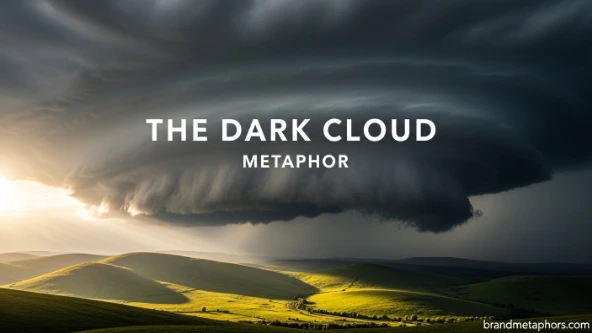
A dark cloud symbolizes sadness, trouble, anxiety, or looming problems.
It suggests something unpleasant hanging overhead and affecting everything beneath it.
Example Sentence
“Ever since the argument, a dark cloud has hovered over the family.”
Alternative Expressions
- Gathering storm
- Shadow overhead
- Gloomy sky
- Thunderhead of worry
Literary Connection
Many classic novels use weather imagery to represent emotional struggles. Storms often mirror conflict and uncertainty.
Emotional and Sensory Details
Gray skies, cold winds, and dim light create a feeling of discomfort and unease.
The Sinking Ship Metaphor
Meaning and Explanation
A sinking ship represents a failing situation that seems impossible to save.
It often describes businesses, projects, relationships, or plans that are collapsing.
Example Sentence
“The company became a sinking ship after years of poor decisions.”
Alternative Expressions
- Falling tower
- Crumbling bridge
- Broken vessel
- Collapsing structure
Real-Life Example
Many struggling organizations are described as sinking ships because problems continue to pile up despite rescue attempts.
Emotional and Sensory Details
Rushing water, creaking wood, and panic among passengers intensify the image.
The Poisoned Well Metaphor
Meaning and Explanation
A poisoned well symbolizes corruption, distrust, or damage that spreads throughout a system.
When the source becomes contaminated, everyone suffers.
Example Sentence
“Rumors poisoned the well of trust among coworkers.”
Alternative Expressions
- Contaminated source
- Toxic foundation
- Corrupt roots
- Polluted stream
Mini Story
A close-knit community once trusted one another. False accusations spread through gossip. Soon friendships weakened. The poisoned well metaphor perfectly describes the damaged atmosphere.
Emotional and Sensory Details
Murky water, unpleasant odors, and fear of contamination create strong imagery.
The Weed in the Garden Metaphor
Meaning and Explanation
A weed in the garden represents something harmful growing among positive things.
It may symbolize bad habits, negative influences, or destructive behaviors.
Example Sentence
“Procrastination became a weed in his otherwise productive routine.”
Alternative Expressions
- Thorn among roses
- Invasive vine
- Wild growth
- Unwanted root
Cultural Connection
Garden imagery has long represented personal growth. Weeds symbolize obstacles that prevent healthy development.
Emotional and Sensory Details
Tangling roots, prickly stems, and crowded flowerbeds create a vivid picture.
The Broken Compass Metaphor
Meaning and Explanation
A broken compass symbolizes poor judgment, confusion, or lack of direction.
It suggests someone is unable to find the right path.
Example Sentence
“His moral values became a broken compass during difficult times.”
Alternative Expressions
- Lost map
- Faulty guide
- Wandering path
- Directionless journey
Storytelling Example
A traveler crossing a desert depends on a compass. If it fails, every step becomes uncertain. This image effectively represents bad decision-making.
Emotional and Sensory Details
Endless horizons, uncertainty, and fear of getting lost strengthen the metaphor.
The Cracked Foundation Metaphor
Meaning and Explanation
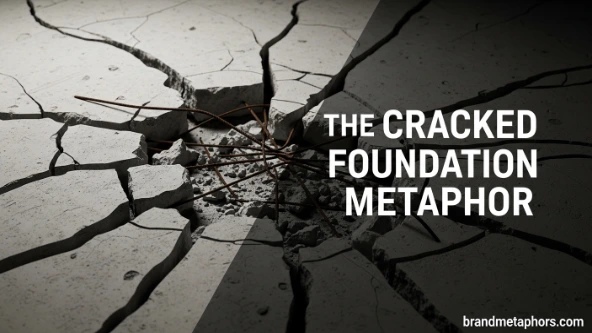
A cracked foundation represents hidden weaknesses that eventually cause larger problems.
It often describes relationships, businesses, or plans built on unstable ground.
Example Sentence
“The partnership looked successful, but it rested on a cracked foundation.”
Alternative Expressions
- Weak base
- Fragile support
- Faulty structure
- Unstable ground
Real-Life Application
Many failures begin with small issues ignored for too long. A cracked foundation captures this idea perfectly.
Emotional and Sensory Details
Shifting walls, widening cracks, and trembling floors create dramatic imagery.
The Rusting Machine Metaphor
Meaning and Explanation
A rusting machine symbolizes decline, neglect, or gradual deterioration.
Unlike sudden failure, rust develops slowly over time.
Example Sentence
“Without practice, his skills became a rusting machine.”
Alternative Expressions
- Fading engine
- Worn-out gear
- Aging mechanism
- Corroded tool
Mini Story
A bicycle left outside through years of rain eventually becomes unusable. The process is slow but inevitable without care.
Emotional and Sensory Details
Orange corrosion, squeaking metal, and stiff movement make this image memorable.
The Thorn in the Side Metaphor
Meaning and Explanation
A thorn in the side represents a constant irritation or recurring problem.
The issue may seem small but causes ongoing discomfort.
Example Sentence
“Technical glitches remained a thorn in the side of the project.”
Alternative Expressions
- Persistent nuisance
- Lingering irritation
- Constant obstacle
- Ongoing annoyance
Literary Reference
Ancient writings frequently use thorns to symbolize hardship, struggle, and frustration.
Emotional and Sensory Details
Sharp pain, irritation, and repeated discomfort make this metaphor relatable.
The Bottomless Pit Metaphor
Meaning and Explanation
A bottomless pit represents endless negativity, failure, debt, or despair.
It suggests a problem with no visible end.
Example Sentence
“The mounting expenses felt like a bottomless pit.”
Alternative Expressions
- Endless void
- Infinite hole
- Dark abyss
- Unending drop
Storytelling Example
A person continually throwing resources into a failing project may feel trapped in a bottomless pit of losses.
Emotional and Sensory Details
Darkness, depth, and uncertainty make this one of the strongest metaphors for difficult situations.
How to Create Your Own Metaphors for Bad Things
Look for Negative Images in Nature
Nature offers countless examples:
- Storms
- Droughts
- Weeds
- Rot
- Fog
- Erosion
These images naturally suggest struggle or decline.
Think About Physical Experiences
People understand pain, discomfort, and frustration through physical sensations.
Examples include:
- Heavy chains
- Sharp thorns
- Cracked walls
- Sinking boats
Focus on Emotional Impact
Choose images that match the feeling you want readers to experience.
A storm may suggest chaos.
A shadow may suggest sadness.
A poison may suggest harm.
Creative Practice Exercises

Exercise 1: Complete the Comparison
Fill in the blanks:
- His attitude was a ______.
- The project became a ______.
- Their friendship turned into a ______.
Try creating multiple answers.
Exercise 2: Transform Simple Sentences
Change these statements into metaphorical language:
- The meeting was bad.
- The plan failed.
- The habit was harmful.
Create vivid images instead of direct descriptions.
Exercise 3: Story Building
Choose one metaphor and write a short paragraph around it.
For example:
“A dark cloud followed him wherever he went…”
Continue the story for five sentences.
Bonus Tips for Writers and Social Media Creators
Use Metaphors Sparingly
Too many comparisons can overwhelm readers. Use them where they create the greatest impact.
Match Tone and Audience
Professional writing may require subtle imagery. Creative writing allows more dramatic comparisons.
Combine Metaphors with Storytelling
Instead of simply stating a metaphor, build a scene around it.
Create Visual Social Media Posts
Metaphors often perform well in captions because they create memorable images.
Example:
“Negativity is a weed. Pull it before it takes over the garden.”
Keep Imagery Consistent
Avoid mixing unrelated comparisons within the same paragraph.
Consistency improves clarity and reader engagement.
Conclusion
Metaphors for bad situations help transform ordinary language into vivid, memorable communication. Whether you describe a harmful influence as a rotten apple, a failing project as a sinking ship, or persistent problems as a thorn in the side, these comparisons create stronger emotional connections with readers.
The best figurative language does more than explain—it helps people see, feel, and remember. By using imagery drawn from nature, everyday experiences, and powerful symbols, you can make your writing more engaging and expressive. Practice creating your own comparisons, experiment with storytelling, and discover how a single metaphor can turn a simple sentence into something unforgettable.
FAQs
What are metaphors for bad things?
Metaphors for bad things are figurative comparisons that describe negative situations, people, emotions, or experiences using vivid imagery such as storms, weeds, rotten fruit, or sinking ships.
Why are metaphors useful in writing?
They make writing more engaging, memorable, and emotionally powerful by helping readers visualize ideas instead of simply reading descriptions.
What is an example of a metaphor for a bad person?
A common example is “a rotten apple,” which describes someone whose harmful behavior negatively affects others.
How can I create my own metaphor?
Think about the feeling you want to express and connect it to an image, object, or experience that naturally represents that feeling.
Can metaphors be used in everyday conversation?
Yes. People frequently use metaphors in daily speech, social media posts, presentations, storytelling, and casual discussions to communicate ideas more effectively.